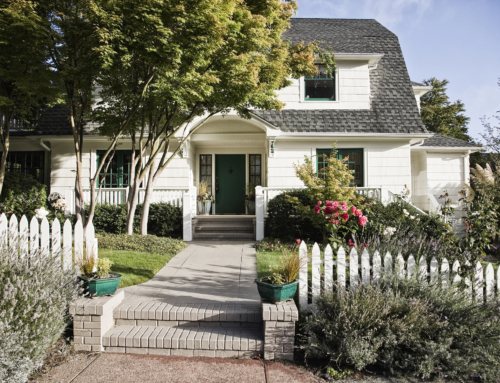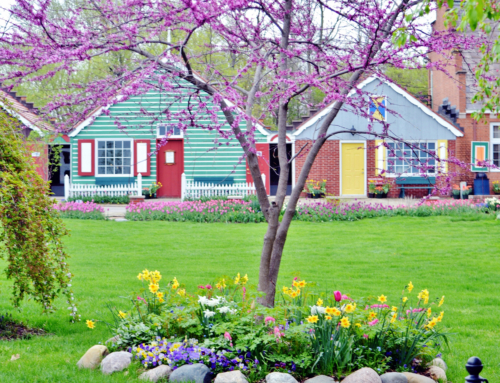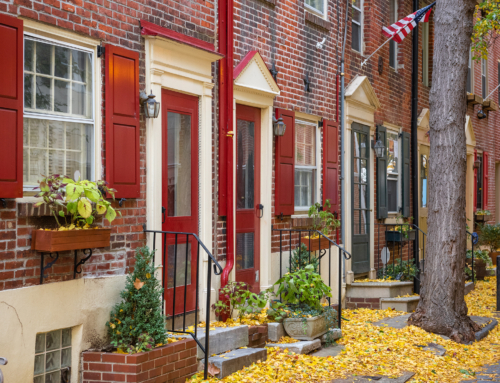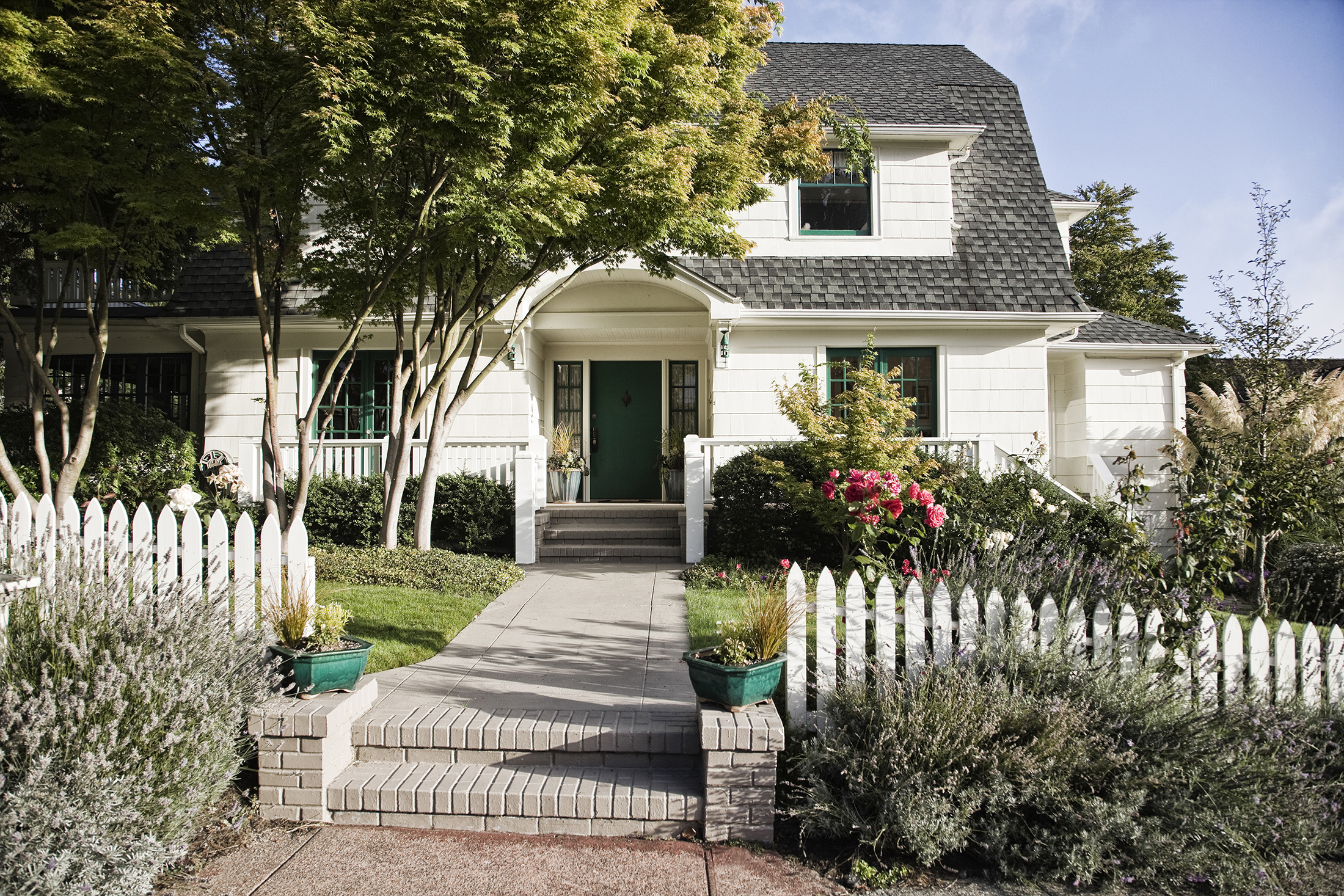


October makes New Hope look almost unfair. River Road winds through changing trees. The Delaware River reflects the fall color. The canal towpath fills with walkers and cyclists. Restaurants and shops stay busy, and people from across Philadelphia, Bucks County, New Jersey, and beyond make the drive simply to spend an afternoon here.
Living here is different from visiting.
The scenery is real. So is the price premium. Inventory is tight, much of the housing stock is older, weekend traffic can become part of everyday life, and homes with the strongest locations often attract buyers who are paying for more than square footage. They are paying for the New Hope address, the river-town setting, New Hope-Solebury schools, access to restaurants and culture, and the ability to live somewhere other people plan weekends around.
For buyers, the question is not whether New Hope is beautiful. That part is obvious. The real question is whether the costs, compromises, and lifestyle make sense after the leaves are gone.
Why New Hope commands a premium
New Hope is not a market where price is explained by bedroom count alone. Location carries enormous weight.
There is only so much housing close to the borough, the Delaware River, the canal, and the surrounding Solebury countryside. That limited supply meets a buyer pool that can include local move-up buyers, Philadelphia households, New Jersey buyers, New York connected buyers, downsizers, second-home shoppers, and people specifically searching for a Bucks County lifestyle.
That competition creates a premium.
Buyers can start by comparing current New Hope homes for sale and local property listings from Albright Real Estate, then widen the search through Bucks County homes for sale across river towns, boroughs, and suburban communities to see how far the same budget goes elsewhere.
That comparison is important. A New Hope budget may buy significantly more house in another part of Bucks County. The reason buyers still choose New Hope is that another town may not give them the same setting.
Tight inventory changes how you shop
New Hope does not produce a huge supply of interchangeable houses. One week may offer several appealing properties. Another may offer very little in the exact price band or location a buyer wants.
That means patience is part of the buying strategy.
A buyer who needs four bedrooms, a two-car garage, a certain school assignment, updated systems, privacy, and easy access to downtown may wait longer than someone who is flexible about property type or condition.
Tight inventory also makes direct comparisons harder. A renovated borough property may have no truly similar sale nearby. An older home on acreage may compete with houses miles away. A river-adjacent house has a different buyer pool from a newer home farther inland.
Matt Albright’s role is to separate the New Hope premium from an unrealistic asking price. A rare location is valuable, but rarity does not make every number reasonable.
What housing stock actually looks like
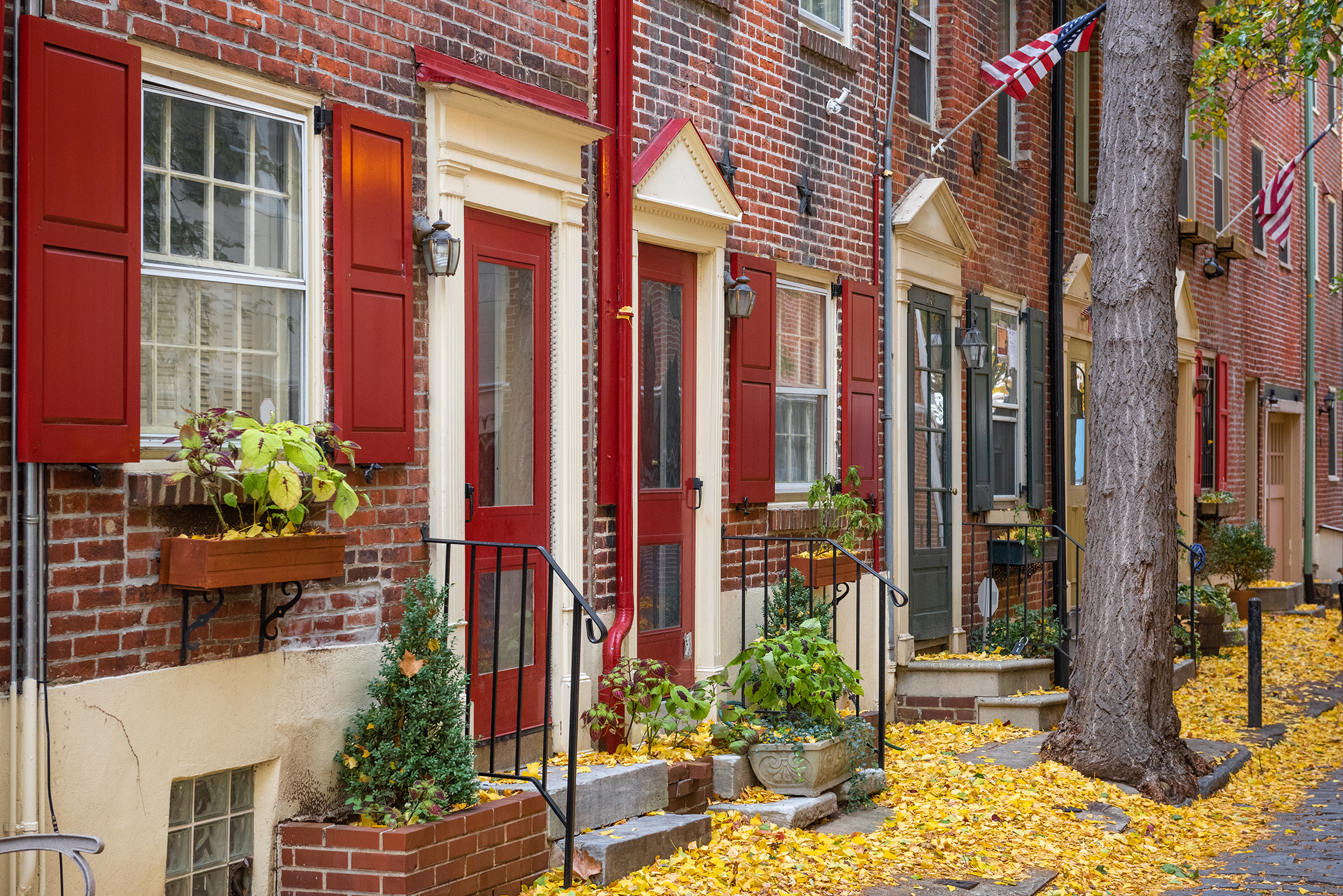
New Hope housing is varied, which is part of what makes the market interesting. Buyers may encounter historic borough homes, compact older houses, stone properties, mid-century homes, renovated cottages, large custom houses, townhomes, estate-style properties, and homes on wooded or rolling lots in the surrounding area.
Borough homes
Homes near the center of New Hope offer one of the strongest lifestyle propositions: walkability to restaurants, shops, the river, entertainment, and community activity.
They can also come with older systems, smaller lots, tighter parking, narrower interiors, and renovation limitations that need to be understood before buying.
A beautifully renovated historic property can command a substantial premium because buyers are getting character without taking on every restoration project themselves.
Older homes outside the borough core
Move farther out and the market opens into older single-family homes with more land, wooded settings, long driveways, and greater privacy.
These properties may provide the New Hope address without putting the buyer in the middle of weekend activity. The tradeoff is less walkability and potentially more maintenance.
Higher-end and estate properties
New Hope and Solebury also attract buyers looking for acreage, custom architecture, pools, barns, guest spaces, high-end renovations, and privacy.
At these price points, value becomes extremely property-specific. Lot quality, view, architecture, renovation quality, outbuildings, taxes, privacy, and location can all move the number substantially.
Older-house costs are part of the New Hope equation
Buying character usually means accepting maintenance that does not exist in a new subdivision.
An older New Hope house may have been renovated several times over several decades. The kitchen might be new while the sewer or septic system is not. The bathrooms might photograph beautifully while the roof, chimney, foundation, windows, or electrical system deserve closer attention.
Older-home items buyers should investigate
- Roof age and flashing.
- Foundation and drainage conditions.
- Basement moisture.
- Electrical service and older wiring.
- Plumbing materials.
- Heating and cooling systems.
- Chimneys and fireplaces.
- Well and septic systems where applicable.
- Older additions and renovation quality.
- Retaining walls, mature trees, and site drainage.
The lesson is not that old homes are bad purchases. Some have been maintained to an exceptional standard. The lesson is that a buyer should budget for the house they are actually buying, not only the price on the contract.
Fall shows New Hope at its best and busiest
Peak foliage is when the difference between visiting New Hope and living in New Hope becomes easiest to understand.
Visit Bucks County identifies autumn as one of the defining seasons here, with foliage drives along River Road, New Hope Railroad excursions, canal walks, festivals, and visitors filling the Delaware River towns. Its 2026 guide to Bucks County fall foliage and River Road leaf-peeping expects peak color around mid-October.
That is wonderful when the goal is enjoying autumn. It can be less wonderful when you need to get home on a busy Saturday afternoon.
The weekend traffic conversation
Buyers considering a home near downtown or River Road should visit when New Hope is busy, not only during a quiet weekday showing.
See what traffic feels like. See where visitors park. Look at how long it takes to get through town. Think about whether the activity feels energetic or exhausting.
Someone who loves being able to walk into the center of town may view the crowds as part of the experience. Someone who values quiet access may prefer a property farther from the core.
Neither buyer is wrong. The mistake is discovering the difference after closing.
Helping me buy the house that is part of the leave change show
If your search is essentially “helping me buy the house that is part of the leave change show,” meaning the New Hope home surrounded by the fall color everyone drives to see, Albright Real Estate can help separate the seasonal romance from the permanent real estate decision.
The fall setting is a legitimate part of New Hope’s value. Tree-lined roads, preserved land, the Delaware River, the canal, and older architecture create a sense of place that is difficult to reproduce elsewhere.
But Matt also looks at what happens after October.
How is the driveway in winter? What does the tree canopy mean for roof and gutter maintenance? Does a wooded lot hold water? How close is the home to weekend traffic? Does the property rely on a well or septic system? Is the house still right when the view is bare in February?
That is the difference between buying a fall postcard and buying a home that works all year.
The Delaware Canal is part of everyday life
The Delaware Canal is one of the features that makes New Hope feel unlike a standard suburb. The towpath runs through a long corridor along the Delaware River, connecting historic towns and offering walking, running, cycling, and quiet stretches of scenery.
The Pennsylvania Department of Conservation and Natural Resources describes Delaware Canal State Park and its nearly 59-mile historic towpath along the Delaware River, with New Hope among the best-known communities along its route.
For residents, that means outdoor access is not something reserved for a weekend drive. Depending on the property, the canal can become part of the morning walk, bike ride, or regular routine.
It also means buyers should understand exactly where a property sits relative to water, drainage, flood mapping, and insurance requirements.
The river requires an honest risk conversation
The Delaware River is part of New Hope’s appeal, but water proximity always deserves due diligence.
Not every New Hope property has the same flood exposure. A house high above the river is different from one closer to mapped flood areas. Canal proximity does not automatically mean the same thing for every parcel either.
Buyers should check the specific property rather than make assumptions based on the mailing address.
Questions worth asking include:
- Is the property in a mapped flood zone?
- Will the lender require flood insurance?
- Is there known prior water intrusion?
- How does the land drain during heavy rain?
- Are there elevation certificates or prior insurance records?
- Does the basement or lower level show moisture history?
A spectacular setting can still be a smart purchase. It should simply be purchased with the full picture.
New Hope-Solebury schools add to demand
School district appeal is another reason New Hope attracts family buyers who might otherwise consider Newtown, Central Bucks, or nearby New Jersey communities.
Families should verify school assignment for the exact address rather than relying on a listing description. The broader New Hope area can cover different municipal situations, and a familiar mailing address is not a substitute for confirming district details.
School-driven demand also affects resale. A buyer who pays a premium today should understand who is likely to compete for the property when it eventually returns to market.
Who tends to buy in New Hope?
Move-up buyers
Some buyers arrive after building equity elsewhere in Bucks County, Montgomery County, Philadelphia, or New Jersey. They want more privacy, more character, or a location they have been visiting for years.
Philadelphia buyers moving outward
Buyers leaving the city may still want restaurants, arts, independent businesses, and walkable activity. New Hope provides that culture in a much smaller setting.
New Jersey and New York connected households
The river location and regional access make New Hope attractive to buyers who need continued ties to New Jersey or New York but prefer Pennsylvania living.
Downsizers
Some downsizers want less property maintenance but do not want a quiet development with little to do. Borough living can provide restaurants and activity close to home, although stairs and parking need careful consideration in older properties.
Second-home buyers
New Hope’s destination status also brings buyers who are not purchasing their only residence. That can add competition for distinctive properties and contribute to the premium attached to the market.
What Saturday feels like when Saturday happens every week
For a visitor, Saturday in New Hope means lunch, shopping, a walk along the canal, maybe a show, and then the drive home.
For a resident, Saturday also means grocery shopping, getting children to activities, moving a car, receiving a delivery, walking the dog, or trying to leave town while everyone else is arriving.
This is why buyers should experience New Hope as residents before committing. Come in the morning. Come during peak afternoon traffic. Come after dinner. Come in the rain.
The question is whether the town still works when you are not on vacation.
New Hope versus Newtown
Newtown and New Hope regularly appear on the same buyer shortlist, but the lifestyle is different.
Newtown has a strong town center, Council Rock school appeal, and a more conventional suburban housing market surrounding the borough. New Hope feels more destination-oriented, more connected to the river and arts culture, and generally carries a higher premium for unusual properties and setting.
A buyer focused heavily on practical suburban family life may prefer Newtown. A buyer who puts more value on scenery, culture, architecture, and river-town atmosphere may accept New Hope’s higher costs.
New Hope versus Doylestown
Doylestown provides a larger downtown, county-seat services, museums, rail access, and a broad residential market around the borough.
New Hope is smaller and more tourism-driven. Its relationship with the Delaware River and neighboring Lambertville gives it an identity that Doylestown does not try to duplicate.
For buyers, Doylestown may offer more inventory and a wider range of housing. New Hope offers scarcity, and scarcity is part of the price.
Paying for the address only makes sense if you use it
This may be the most important question in the entire New Hope buying decision.
If you rarely walk into town, do not care about the canal, have no interest in restaurants or arts, dislike weekend visitors, and would prefer a newer house on a larger suburban lot, paying a New Hope premium may not make sense.
But if the setting changes how you actually live, the math becomes different.
A morning on the towpath, dinner without a long drive, easy access to Lambertville, fall color outside the window, older architecture, independent businesses, and a strong sense of place all have value. They simply do not appear neatly on an appraisal sheet.
What buyers should not compromise on
A desirable address should not persuade a buyer to ignore expensive fundamentals.
- Do not overlook active water problems because the view is beautiful.
- Do not skip inspection because inventory is tight.
- Do not assume every renovation in an old house was done well.
- Do not ignore flood and insurance questions near water.
- Do not underestimate septic, well, roof, chimney, or drainage costs.
- Do not pay a premium without understanding comparable sales.
- Do not judge weekend traffic from a Tuesday showing.
New Hope rewards emotional buyers, which is exactly why disciplined buying matters here.
The buyer takeaway
Living in New Hope means living somewhere other people choose as a destination. In October, that means brilliant foliage, crowded River Road drives, canal walks, railroad excursions, busy restaurants, and visitors trying to capture the same scenery residents see outside their windows.
The privilege has a price.
Inventory is limited. Older homes come with older-house maintenance. Weekend traffic is real. Water and drainage deserve attention. The New Hope address commands a premium, and the most distinctive properties can be difficult to compare with anything else on the market.
But buyers who genuinely use what New Hope offers may decide that the premium makes sense. The river, canal, architecture, schools, culture, restaurants, landscape, and sense of place are not easy to reproduce elsewhere.
The goal is not to buy New Hope because it looks extraordinary during peak foliage. It is to find the New Hope house that still feels right in January, on a crowded Saturday, during a repair year, and years after the first fall view convinced you to stop looking anywhere else.