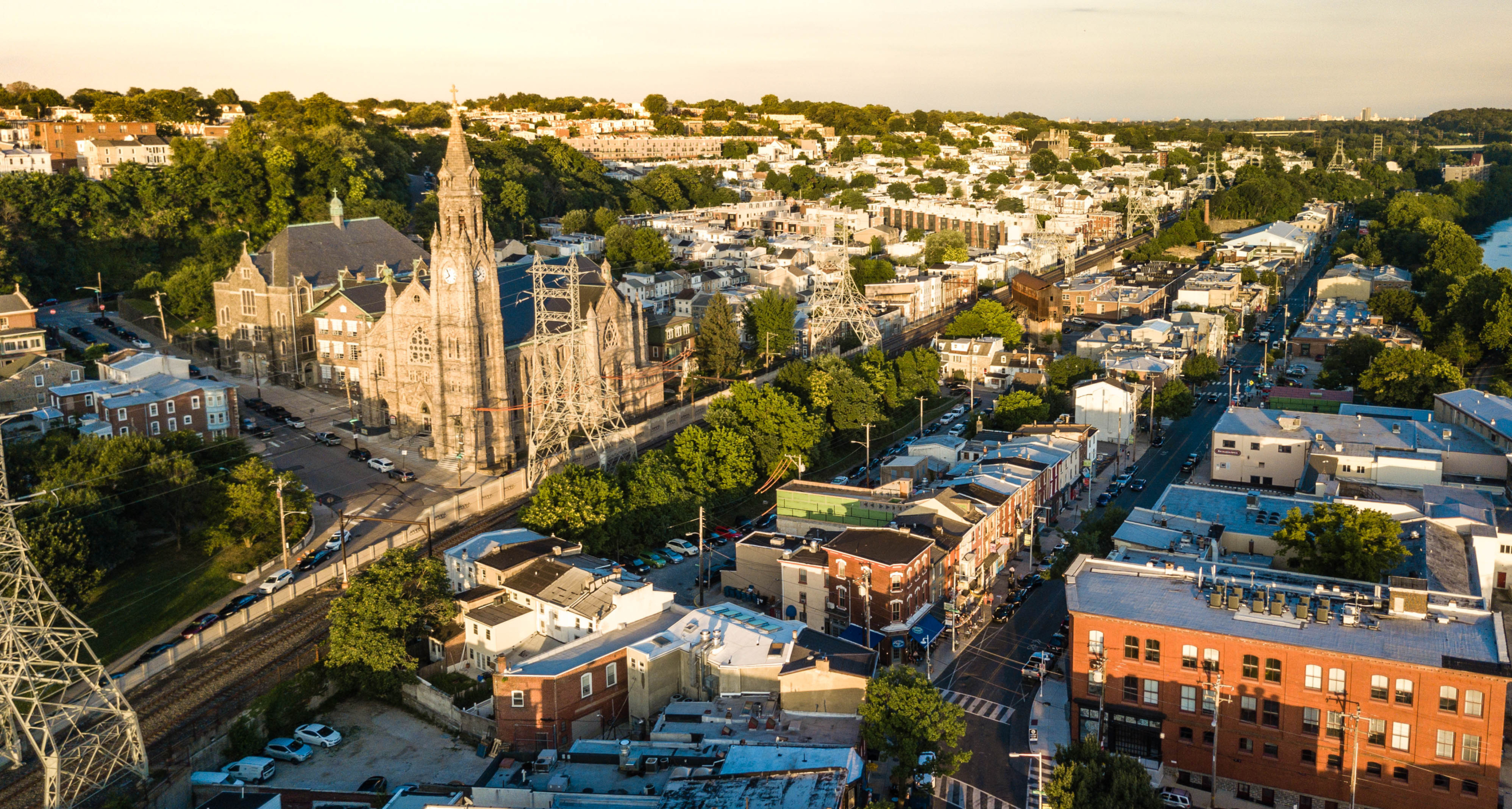


Twenty years ago, Northern Liberties was still emerging from its industrial past. Empty warehouses, aging factories, and modest brick rowhomes defined much of this neighborhood just north of Center City Philadelphia. Today, modern townhouses stand beside nineteenth-century homes, former industrial properties have become residential developments, and restaurants, shops, and public spaces attract people throughout the city. Northern Liberties has experienced one of Philadelphia’s most visible neighborhood transformations, creating a real estate market where historic architecture and contemporary construction share the same streets. For prospective homeowners, the appeal extends beyond location and lifestyle. Understanding property values, construction quality, ownership costs, and Philadelphia’s residential tax abatements is essential. A newer home might offer substantial tax savings today, but understanding what happens when those savings expire is equally important when evaluating the long-term cost of living in Northern Liberties.
How Northern Liberties Became One of Philadelphia’s Most Recognizable Neighborhoods
Northern Liberties has a history extending back centuries, long before modern condominium buildings and restaurants became prominent neighborhood features.
During the nineteenth century, the area developed into an important industrial and residential district. Breweries, factories, workshops, and manufacturing businesses supported employment, while nearby rowhomes housed workers and their families.
Industrial activity shaped the neighborhood’s architecture. Factories occupied larger properties, while narrow residential streets contained modest brick houses and traditional Philadelphia rowhomes.
As manufacturing declined during the twentieth century, many industrial properties became vacant or underused. Population changes and reduced investment affected the neighborhood for decades.
By the late 1990s and early 2000s, artists, independent businesses, and new residents had begun changing the area’s character. Former industrial buildings attracted redevelopment interest, and residential construction expanded.
Today, Northern Liberties contains a mixture of historic housing, converted industrial properties, restaurants, apartments, and contemporary townhouses.
The Northern Liberties Neighbors Association’s neighborhood history documents the community’s continuing efforts to preserve public spaces and support neighborhood improvements, including the transformation of former industrial land into Liberty Lands Park.
These changes reflect more than new construction. They represent a gradual shift from an industrial neighborhood into a residential community with a prominent commercial and cultural identity.
Historic Rowhomes and New Construction Share the Same Streets
One of the most distinctive features of Northern Liberties real estate is the contrast between older homes and newer residential development.
Walking through the neighborhood, you might encounter a brick rowhome dating to the late nineteenth century beside a contemporary townhouse with large windows and a roof deck.
Both properties belong to the same neighborhood, but their construction, maintenance requirements, and ownership expenses might differ substantially.
The Character of Northern Liberties Historic Rowhomes
Traditional Philadelphia rowhomes remain an important part of Northern Liberties.
Many were constructed during the nineteenth and early twentieth centuries, reflecting the needs of the neighborhood’s working households.
Depending on the property, buyers might find original brickwork, hardwood flooring, narrow staircases, traditional room layouts, and architectural details preserved through generations of ownership.
Some have undergone extensive renovations, combining historic exteriors with modern kitchens, bathrooms, and mechanical systems.
Others retain older infrastructure and require significant improvements.
These differences matter when evaluating asking prices. A renovated historic home might cost as much as newer construction while offering different maintenance responsibilities and architectural features.
What Buyers Should Know About Older Construction
Older rowhomes deserve careful evaluation because renovations do not always address every underlying system.
Roofing, electrical wiring, plumbing, insulation, foundation conditions, and moisture control should receive attention during inspections.
Shared walls and older construction methods also influence sound transmission and maintenance responsibilities.
Some historic properties offer private patios or small backyards, while others provide limited outdoor space.
Parking varies considerably. Many older homes were constructed before private garages became a common residential feature.
For homeowners who value traditional Philadelphia architecture, these properties offer character and neighborhood connections that newer construction might not replicate.
The Rise of Modern Townhouses, Condominiums, and Apartments
New residential construction has become a defining part of Northern Liberties over the past two decades.
Former industrial sites and underused parcels have supported townhouse developments, apartment buildings, condominiums, and mixed-use properties.
Modern housing often emphasizes open floor plans, large windows, roof decks, contemporary kitchens, and multiple bathrooms.
Depending on the property, buyers might also find attached garages, finished lower levels, and energy-efficient mechanical systems.
These features appeal to people seeking modern residential layouts close to Center City.
New Construction Offers Convenience With Different Costs
Newer properties might require fewer immediate repairs than older houses, particularly when major building components remain relatively new.
However, new construction does not eliminate maintenance expenses or guarantee superior workmanship.
Buyers should review builder warranties, inspection findings, drainage systems, roofing materials, and the quality of completed construction.
Some townhouse developments also involve homeowners association fees or shared maintenance arrangements.
Modern condominium buildings introduce additional expenses related to association management, building insurance, amenities, and reserve funding.
When comparing properties, buyers should examine total ownership expenses rather than focusing exclusively on modern finishes.
A Neighborhood Appealing to Younger Homeowners and Urban Professionals
Northern Liberties has developed a residential environment that appeals to professionals, first-time homeowners, couples, and households interested in city living.
Its proximity to employment centers, restaurants, entertainment, and public transportation makes the neighborhood attractive to people seeking convenience.
For younger owner occupants, townhouses and renovated rowhomes offer opportunities to establish roots in Philadelphia without moving directly into the suburbs.
The neighborhood also contains substantial rental housing, particularly within larger apartment developments.
That combination creates a residential population with different housing preferences and ownership arrangements.
Some residents prioritize walkability and entertainment. Others seek additional bedrooms, private outdoor space, or a home office while remaining close to Center City.
The neighborhood’s evolving housing stock provides multiple options, although prices and availability differ significantly.
Second Street, Restaurants, and the Northern Liberties Lifestyle
North Second Street serves as a central commercial corridor in Northern Liberties.
Restaurants, cafes, shops, and neighborhood businesses contribute to the area’s walkable character.
The Piazza and surrounding residential developments have also influenced the neighborhood’s commercial activity and public gathering spaces.
Residents enjoy access to dining, entertainment, fitness facilities, and everyday services within a relatively concentrated area.
Liberty Lands Park provides outdoor recreational space, while nearby neighborhoods expand the available shopping and dining options.
Fishtown, Old City, and Center City are accessible from Northern Liberties, offering additional destinations without requiring a long suburban commute.
Still, convenience involves tradeoffs. Restaurant activity, construction, street parking, and traffic influence certain blocks more than others.
A home near an active commercial corridor might provide excellent walking access but less separation from evening activity.
Commuting From Northern Liberties
Transportation access contributes significantly to the neighborhood’s residential appeal.
The SEPTA Market-Frankford Line serves nearby Girard and Spring Garden stations, providing connections toward Center City and other Philadelphia neighborhoods.
Bus routes, walking, cycling, and automobile transportation offer additional options.
Northern Liberties also sits near Interstate 95 and major city streets, although congestion and parking availability affect driving convenience.
People working in Center City might appreciate the ability to use public transportation or travel shorter distances than they would from outer suburban communities.
Residents commuting outside Philadelphia should consider highway access, parking arrangements, and travel time during peak hours.
Transportation expenses belong in the overall housing budget, especially when comparing city properties with homes in Bucks County or Montgomery County.
Understanding Northern Liberties Real Estate Prices
Property prices in Northern Liberties vary considerably based on location, building age, square footage, parking, outdoor space, and condition.
A renovated historic rowhome might compete with a newly constructed townhouse, but the two properties might offer entirely different ownership experiences.
Condominiums introduce another market segment, with pricing influenced by building amenities, association fees, and available parking.
Newer luxury properties might command higher prices because of larger floor plans, contemporary finishes, and private garages.
Homes on quieter residential streets might attract buyers with different priorities than properties beside commercial destinations.
Albright Real Estate provides access to Northern Liberties homes for sale and neighborhood property listings, allowing buyers to evaluate available housing styles and current asking prices.
Recent comparable sales remain important because neighborhood averages might combine condominiums, historic rowhomes, and larger contemporary properties.
Comparing similar homes produces a more meaningful picture of local value.
Philadelphia’s Ten-Year Property Tax Abatement Explained
One of the most important financial considerations for Northern Liberties buyers is Philadelphia’s residential real estate tax abatement program.
For years, the program encouraged new construction and rehabilitation by providing temporary exemptions on eligible improvements.
Tax abatements helped influence redevelopment throughout Philadelphia, including neighborhoods where residential construction expanded on formerly industrial land.
The important distinction is that an abatement generally applies to qualifying improvement value rather than eliminating every property tax obligation.
How the Original Ten-Year Abatement Worked
Under the earlier new residential construction program, qualifying applications submitted by December 31, 2021, received a 100% exemption on eligible construction assessment value for ten years.
The land remained taxable, and other property-specific circumstances affected the final tax bill.
After the tenth year, the improvement exemption ended, potentially creating a significant increase in annual property taxes.
This distinction matters for buyers purchasing older new-construction properties with several abatement years remaining.
How the New Residential Abatement Changed
Philadelphia changed the schedule for new residential construction abatement applications submitted after December 31, 2021.
Instead of providing a full improvement exemption throughout the ten-year period, the program gradually reduces the exempt portion.
Under the revised schedule:
- Year one exempts 100% of the eligible construction assessment.
- Year two exempts 90%.
- Year three exempts 80%.
- Each subsequent year reduces the exemption by another 10 percentage points.
- Year ten exempts 10%.
- After year ten, the improvement exemption expires.
The Philadelphia City Code governing new residential construction tax abatements establishes the different schedules for earlier and later applications.
Rehabilitated residential properties may follow different abatement rules, so buyers should verify the specific approval rather than assuming every ten-year program works alike.
What Happens When a Northern Liberties Tax Abatement Expires?
Tax abatement expiration deserves attention before purchasing a property.
A home advertised with low annual property taxes might become considerably more expensive to own after its exemption ends.
For older full ten-year abatements, the change might be particularly noticeable because the entire eligible improvement value becomes taxable after the exemption period.
For newer phased abatements, the transition occurs gradually over ten years, with the final portion becoming taxable after expiration.
Both arrangements require buyers to consider future expenses rather than relying exclusively on the current tax bill.
An Example of the Potential Tax Difference
Consider a hypothetical Northern Liberties property with $400,000 of assessed improvement value eligible for an abatement.
Philadelphia’s current real estate tax rate is 1.3998%.
Without an abatement, the annual property tax attributable to that $400,000 improvement would be approximately $5,599.
Under an earlier full ten-year exemption, qualifying improvements might avoid that portion of the tax throughout the exemption period before becoming fully taxable.
Under the newer phased schedule, the taxable portion increases as the exempt percentage declines each year.
These calculations exclude taxable land value, assessment changes, other exemptions, and any future changes in tax policy.
The example illustrates why future property taxes deserve as much attention as the present amount.
Can an Abatement Transfer to a New Owner?
An existing eligible property tax abatement generally continues with the property when ownership changes, subject to the applicable program requirements and remaining term.
Purchasing a property does not restart its original abatement period.
If a property has three years remaining, the new owner generally receives only the remaining benefit under the approved schedule.
The original approval, applicable ordinance, starting date, and expiration date should be verified through official property records.
How Expiring Tax Abatements Affect Affordability and Resale
Property taxes directly influence the monthly expense of owning a home.
For homeowners using mortgage escrow accounts, increasing taxes might raise monthly payments even when the mortgage principal and interest remain unchanged.
Buyers should therefore compare the current tax bill with a reasonable estimate of the future bill after abatement expiration.
The change might also affect resale considerations.
A property with several years of tax savings remaining offers a different near-term ownership expense than a similar home with no remaining abatement.
That does not guarantee a particular sale price or appreciation pattern. Condition, location, financing costs, and comparable transactions continue influencing market value.
Eligible owner occupants might qualify for Philadelphia’s Homestead Exemption after a residential ten-year abatement expires, subject to applicable program rules and application requirements.
Because assessments and tax programs change, buyers should verify the current property record and confirm expected obligations with the appropriate city offices.
Historic Rowhome or New Construction: Which Offers Better Value?
The choice between an older property and newer construction depends on personal preferences, financial resources, and expected maintenance responsibilities.
Historic rowhomes might offer established architectural character, traditional layouts, and locations close to neighborhood businesses.
Newer construction might provide larger modern kitchens, updated mechanical systems, roof decks, garages, and more flexible living spaces.
Yet neither category automatically represents a better financial decision.
Comparing Total Ownership Costs
A meaningful comparison includes mortgage payments, property taxes, insurance, maintenance, and any association fees.
For newer construction, tax abatement expiration should also influence long-term affordability calculations.
For older homes, renovation quality and the condition of major building systems deserve careful consideration.
Two homes with similar asking prices might carry substantially different expenses over the first ten years of ownership.
Why Buying With Albright Real Estate Is the Right Move
Northern Liberties presents a housing market where neighborhood history, modern construction, and property tax rules intersect.
Matt Albright serves buyers and sellers throughout Philadelphia, Bucks County, and Montgomery County, providing a broader regional perspective when comparing residential properties.
For Northern Liberties buyers, understanding the difference between historic construction and contemporary developments is important.
Property condition, parking arrangements, comparable sales, and tax abatement details all influence the financial decision.
Albright Real Estate’s local market knowledge supports buyers evaluating these differences rather than focusing exclusively on listing photographs or current asking prices.
Some buyers might begin with Northern Liberties before considering nearby Fishtown, Old City, or other Philadelphia neighborhoods.
Others might compare city properties with housing in Montgomery County or Bucks County because of changing commuting or space requirements.
Albright’s Philadelphia homes for sale and neighborhood property searches provide a broader view of residential opportunities across the city.
This regional approach helps buyers evaluate location, ownership expenses, and housing style within a wider market.
What Northern Liberties’ Transformation Means for Its Future
Northern Liberties has changed considerably over the past twenty years, but the neighborhood’s development continues influencing its identity.
Historic rowhomes remain beside modern residential buildings. Commercial corridors attract restaurants and independent businesses, while former industrial properties support different uses.
The growing range of housing options appeals to people seeking urban convenience, established architecture, and contemporary residential amenities.
At the same time, construction activity, parking conditions, housing costs, and changing property taxes create considerations for existing residents and prospective homeowners.
The neighborhood’s future will depend on continued investment, housing supply, public spaces, and the balance between redevelopment and established community character.
For buyers considering living in Northern Liberties, understanding its transformation provides valuable context.
A home’s construction date, renovation history, tax status, location, and long-term ownership costs often reveal more than the listing price alone.
Northern Liberties offers a distinctive Philadelphia living experience, shaped by industrial history and two decades of residential redevelopment. Understanding both sides of that story provides a stronger foundation for evaluating real estate in one of the city’s most visibly transformed neighborhoods.