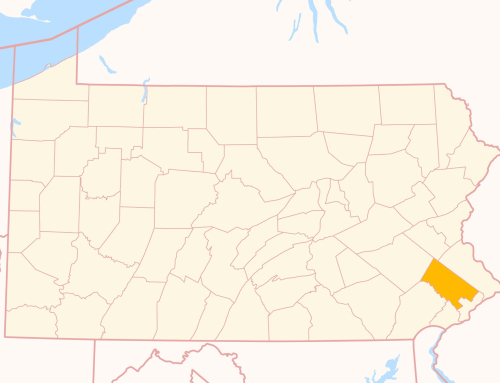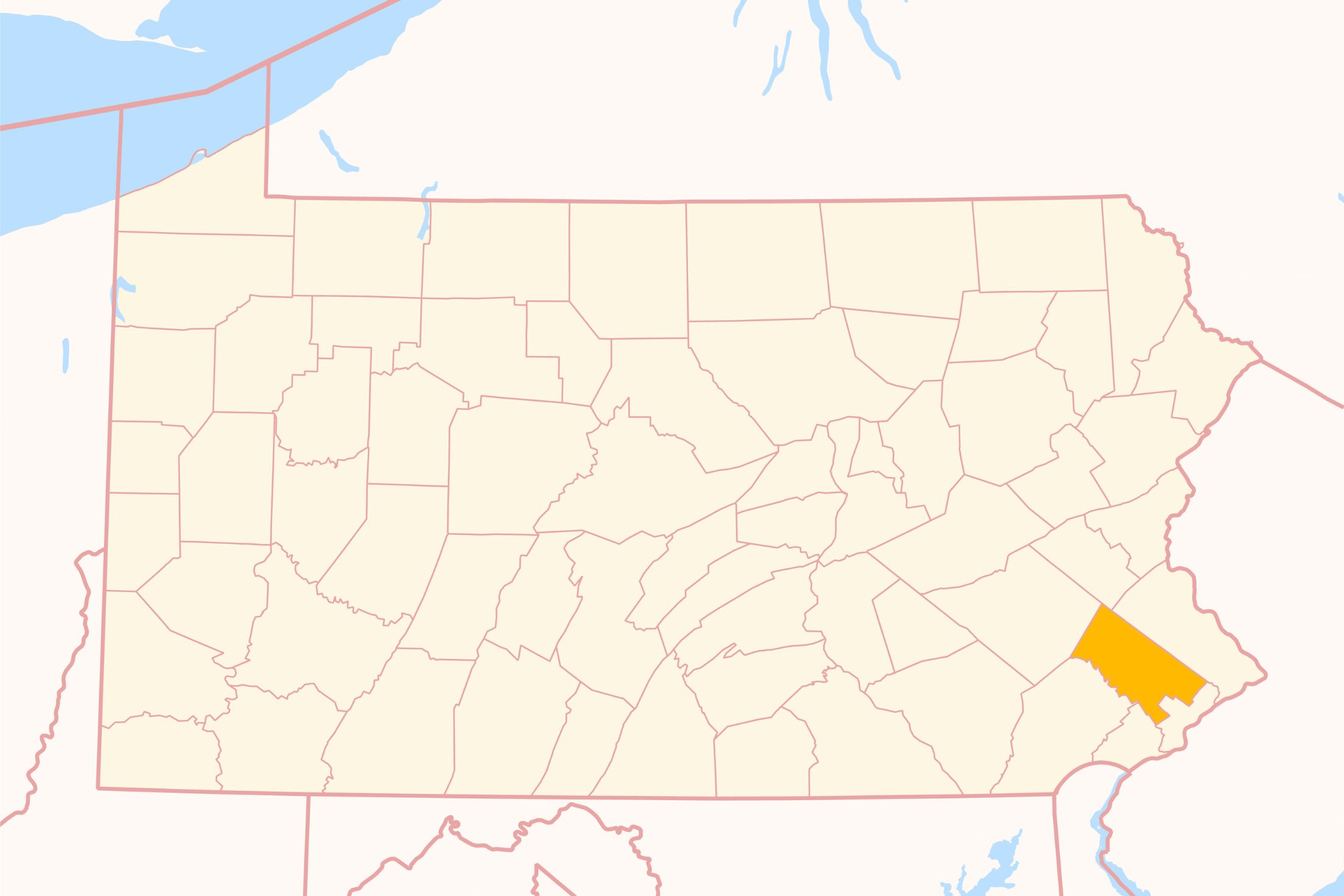

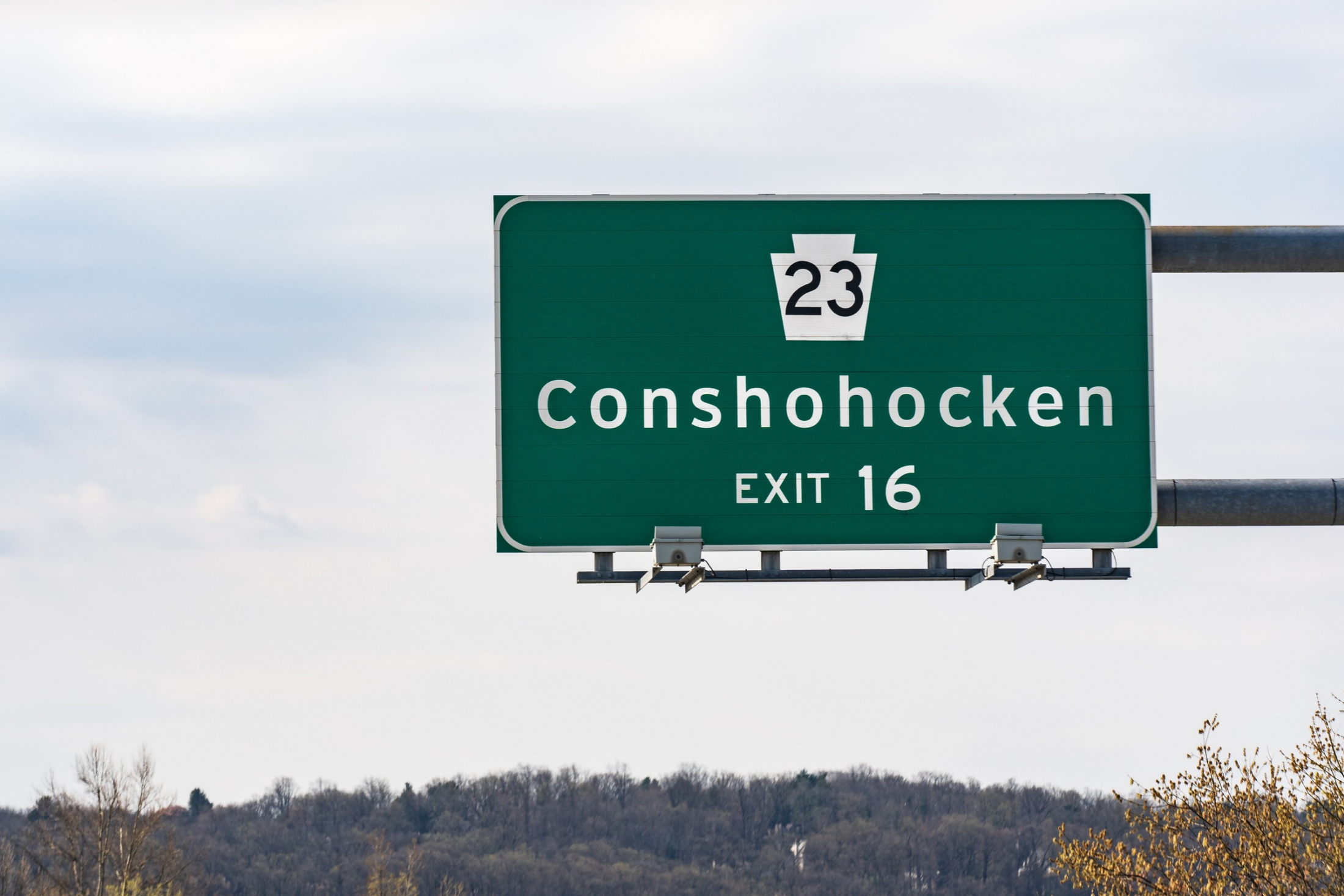
Few communities in Montgomery County have changed as dramatically as Conshohocken. Once defined by iron mills, factories, and working neighborhoods along the Schuylkill River, this compact borough has become a destination for modern apartments, office buildings, restaurants, and residential real estate. Yet the transformation tells only half the story. Walk away from the river and up the hillside, and you will find older rowhomes, traditional twins, and established residential streets with a different character. For anyone considering living in Conshohocken, understanding these two sides of the borough is essential. Newer development offers convenience and contemporary amenities, while older neighborhoods offer architectural character and traditional homeownership. Both contribute to a community with an identity unlike many other Philadelphia suburbs.
From Industrial Mill Town to Modern Montgomery County Destination
Conshohocken’s transformation began long before apartment buildings and corporate offices appeared along the waterfront. The Schuylkill River helped establish the community as an industrial center during the nineteenth century.
Factories, ironworks, manufacturing facilities, and transportation connections supported local employment and attracted generations of residents. Businesses grew around these industries, creating a community where people lived close to their workplaces.
The borough developed a working-class identity built around manufacturing and neighborhood relationships. Houses climbed the surrounding hillsides while industrial operations occupied valuable land near the river and railroad.
As manufacturing declined during the twentieth century, Conshohocken faced challenges familiar to former industrial communities throughout Pennsylvania. Factories closed or relocated, employment patterns changed, and large industrial properties required new purposes.
Rather than remaining tied to its industrial past, Conshohocken experienced extensive redevelopment.
Former industrial properties gradually gave way to corporate offices, commercial buildings, housing developments, and new public infrastructure. The riverfront became a center of professional employment and residential activity.
The borough’s official comprehensive plan documenting Conshohocken’s history and development explains how transportation, manufacturing, and redevelopment shaped the community.
Today, glass-fronted office buildings and modern residential developments stand near older brick properties. Restaurants occupy a commercial corridor serving both longtime residents and newcomers.
Conshohocken’s history matters because the borough never developed as one uniform residential market. Its housing reflects different periods of construction, investment, and neighborhood growth.
Two Distinct Housing Markets Within One Borough
One of the most important things prospective residents should understand about Conshohocken is the difference between housing near the river and housing farther uphill.
These areas serve different housing preferences, even though they share the same borough.
Riverside Living: New Apartments, Condominiums, and Modern Convenience
Near the Schuylkill River, newer residential development has changed the appearance and daily rhythm of Conshohocken.
Apartment communities and condominium buildings offer housing options distinct from the borough’s traditional residential streets. Many emphasize contemporary finishes, convenient locations, and reduced responsibility for exterior maintenance.
Depending on the property, residents might find amenities such as fitness centers, secured entrances, structured parking, elevators, shared recreational spaces, or outdoor gathering areas.
These features appeal to people interested in convenience rather than maintaining a traditional single-family property.
The location also creates opportunities for residents to walk to restaurants, offices, recreational areas, and SEPTA Regional Rail stations.
For someone commuting into Center City Philadelphia or working within Conshohocken’s commercial district, living near the river offers practical advantages.
Still, buyers should distinguish between apartment rentals and individually owned condominium units. A newer apartment building does not automatically offer properties for purchase.
Condominium ownership introduces additional considerations, including association fees, maintenance responsibilities, reserve funding, insurance coverage, and building regulations.
Modern housing also deserves careful evaluation for parking arrangements, sound insulation, storage space, and ongoing monthly expenses.
Who does riverside living suit?
- Professionals seeking convenient access to offices and transportation.
- Residents who prefer contemporary interiors and shared amenities.
- Buyers interested in condominium ownership with limited exterior maintenance.
- People prioritizing restaurants, recreational trails, and walkable destinations.
- Households comfortable with denser residential development.
The riverfront housing market generally appeals to people who place a high value on location, convenience, and modern design.
The Hillside Neighborhoods: Traditional Homes and Established Streets
Move uphill from the riverfront, and Conshohocken begins to look different.
The larger office buildings and apartment developments give way to residential blocks featuring brick rowhomes, twins, detached houses, and properties representing several generations of construction.
Many homes reflect the borough’s industrial history, when workers and their households settled within walking distance of local employers.
Other sections contain larger traditional homes and residential architecture associated with later development.
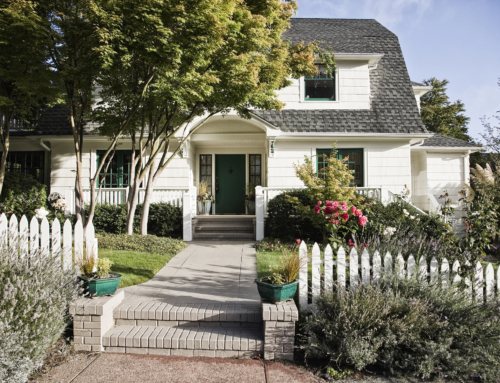
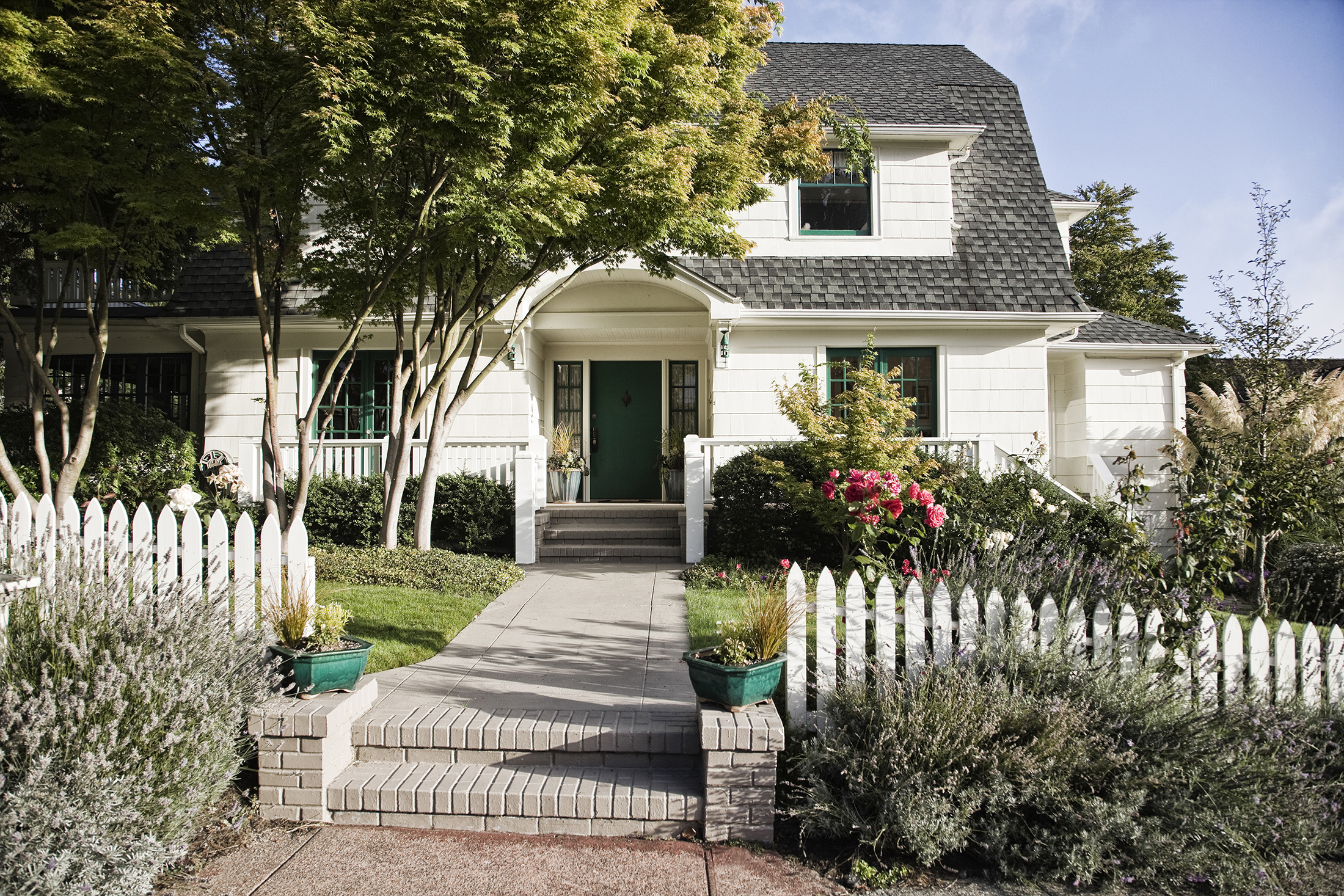
Unlike newer condominium buildings, these properties often have individual entrances, private yards, traditional floor plans, and distinctive architectural details.
Some have undergone extensive renovations. Others retain original features or require improvements.
The differences between individual properties deserve attention.
A renovated older home might offer an updated kitchen, modern heating, and improved insulation. Another property on the same street might require electrical upgrades, roof repairs, or significant interior work.
Buyers interested in older Conshohocken homes should evaluate age, condition, maintenance history, and renovation quality rather than relying exclusively on photographs.
Parking also varies. Certain homes have driveways or garages, while others depend on street parking.
Outdoor space might include a small patio, narrow backyard, or larger lot depending on the property and location.
Who do the hillside neighborhoods suit?
- Buyers who prefer traditional residential architecture.
- Households interested in private outdoor space.
- People seeking individual property ownership without condominium association rules.
- Buyers comfortable evaluating the maintenance needs of older homes.
- Residents who value established streets and traditional neighborhood character.
The hillside neighborhoods offer an alternative to the newer riverfront environment, particularly for buyers who want a house rather than an apartment or condominium.
Why Location Within Conshohocken Matters
Conshohocken covers approximately one square mile, yet property location influences everyday life considerably.
A home near Fayette Street provides different access to businesses and transit compared with a property near the borough’s upper residential boundaries.
The terrain also matters.
Conshohocken’s hillside streets require more effort on foot than the flatter areas near the river. A neighborhood described as walkable on a listing might include a steep return trip from the commercial district.
Buyers should explore potential properties at different times of day and consider how their routine would work in each location.
Factors worth evaluating include:
- Distance to a preferred Regional Rail station.
- Access to Fayette Street restaurants and businesses.
- Availability of off-street parking.
- Traffic patterns during weekday commuting hours.
- Noise near commercial areas and transportation corridors.
- Property maintenance requirements and outdoor space.
Two homes with similar asking prices might offer substantially different lifestyles because of these factors.
Fayette Street and the Walkable Downtown Experience
Fayette Street remains central to Conshohocken’s identity.
The corridor connects residential neighborhoods with restaurants, shops, professional services, and community gathering places.
Instead of relying entirely on shopping centers and automobile travel, residents have access to a traditional commercial street where several errands and recreational activities are possible on foot.
Restaurants and neighborhood businesses create activity throughout the week, supported by local residents, office employees, and visitors from surrounding communities.
Dining options contribute to the borough’s appeal, particularly for people who enjoy meeting friends locally rather than traveling into Philadelphia for every evening out.
For residents living close to Fayette Street, daily conveniences might be only a short walk away.
Properties farther uphill offer a quieter residential setting in some locations, although walking distances and slopes become more significant.
Downtown activity also involves tradeoffs. Busy restaurant periods, deliveries, special events, and commuter traffic affect certain streets more than others.
Homebuyers should decide how much commercial activity they want near their front door.
Commuting from Conshohocken to Philadelphia and Beyond
Transportation access is one of Conshohocken’s strongest practical advantages.
The borough sits near Interstate 76 and Interstate 476, providing road connections toward Philadelphia, King of Prussia, Plymouth Meeting, and other regional employment centers.
For drivers, the location offers several travel options. Traffic congestion, particularly around the Schuylkill Expressway, remains an important consideration when evaluating commute times.
Rail service gives residents another option.
Conshohocken Station and Spring Mill Station serve the borough through SEPTA’s Manayunk/Norristown Regional Rail Line. The line connects communities along the Schuylkill River with Center City Philadelphia.
The borough’s official guide to Conshohocken transportation and Regional Rail stations identifies local station locations and public transportation options.
For commuters who prefer public transportation, proximity to a rail station may influence which neighborhood or property offers the best fit.
Train schedules, station accessibility, parking availability, and connections to a final destination should all be reviewed before selecting a home.
Residents working remotely or following hybrid schedules might place less importance on daily commuting and greater importance on home office space, neighborhood amenities, and nearby recreation.
The Schuylkill River Trail and Outdoor Recreation
Conshohocken’s connection to the Schuylkill River extends beyond its industrial history.
The Schuylkill River Trail gives residents access to walking, running, and cycling opportunities along an important regional recreation corridor.
For people who enjoy outdoor exercise, proximity to the trail provides an alternative to driving to a park or fitness facility.
The trail also connects Conshohocken with surrounding communities, making longer recreational trips possible.
Its presence adds value to the local lifestyle, particularly for households interested in combining suburban housing with accessible outdoor activities.
Conshohocken also maintains community parks and recreational facilities serving residents throughout the borough.
When comparing properties, buyers should consider the distance to the trail and other public recreation areas rather than assuming every address provides the same convenience.
Understanding Conshohocken Real Estate Prices
Housing prices in Conshohocken reflect several different property markets.
Modern condominiums, traditional rowhomes, renovated twins, detached houses, and newer residential construction should not be evaluated as one category.
Each has different ownership costs, maintenance expectations, and buyer demand.
What Influences Property Values?
Location is one factor, but home condition, size, parking, outdoor space, and recent comparable sales also matter.
A fully renovated house with off-street parking might attract different offers than a similarly sized property requiring substantial improvements.
Condominiums require another layer of analysis because monthly association fees affect total housing costs.
Buyers should compare the complete monthly expense rather than the mortgage payment alone.
Property taxes, insurance, utilities, association fees, and expected repairs all influence affordability.
Why Comparing Similar Properties Matters
A condominium near the river and a century-old rowhome uphill might share an asking price without offering comparable ownership experiences.
The condominium might provide shared maintenance services but carry recurring association expenses.
The rowhome might offer private outdoor space while placing greater responsibility for repairs on the owner.
Conshohocken buyers benefit from reviewing recent sales involving similar property types, locations, sizes, and conditions.
Albright Real Estate provides access to Conshohocken homes for sale and local property listings, helping buyers explore the different styles of housing found throughout the community.
Available inventory changes throughout the year, so current listings and recent comparable sales provide a better foundation for evaluating prices than an outdated boroughwide average.
Living in Conshohocken Versus Other Montgomery County Communities
Conshohocken appeals to buyers who want a combination of transportation access, commercial activity, and established residential neighborhoods.
Its relatively compact size distinguishes the borough from larger suburban communities with extensive residential subdivisions.
Someone comparing Conshohocken with Lansdale, for example, should consider more than asking prices.
Lansdale has its own downtown, commuter rail access, residential neighborhoods, and property market. The two communities differ in geography, housing mix, road connections, and day-to-day experience.
Buyers interested in living in Lansdale or purchasing with Albright should compare properties based on commuting needs, ownership expenses, home styles, and available amenities.
Communities such as Plymouth Meeting, Ambler, and nearby sections of Whitemarsh Township also offer alternatives, although their housing stock and municipal characteristics differ.
Albright Real Estate’s Montgomery County homes for sale and community searches offer a broader starting point for evaluating these options.
Looking across several communities helps buyers recognize which features matter most without limiting their search to one popular location.
What Homebuyers Should Know About Older Conshohocken Properties
Historic character adds interest to the borough’s residential market, but older construction requires careful evaluation.
Many properties have been updated over time, sometimes through several generations of ownership.
Not all renovations offer the same quality or address the same underlying systems.
Before purchasing an older home, buyers should pay particular attention to roofing, drainage, plumbing, electrical systems, heating equipment, insulation, and signs of past moisture problems.
Basements deserve consideration, especially where aging construction and local terrain affect drainage.
Older floor plans might also present challenges for people accustomed to open kitchens, larger closets, or multiple bathrooms.
Renovation potential depends on the property, construction methods, municipal requirements, and available budget.
These concerns do not make older Conshohocken homes poor choices. They reinforce the importance of understanding each property’s condition and expected expenses.
What Buyers Should Examine in Newer Condominiums
Newer housing offers its own considerations.
Condominium ownership differs from purchasing a detached home because residents share responsibility for certain building components and common areas.
Monthly fees might cover selected maintenance services, common utilities, amenities, insurance, or reserve contributions, depending on the association.
Buyers should review association documents, financial information, restrictions, and any disclosed pending assessments.
They should also understand which repairs fall under individual ownership and which belong to the association.
A property with an attractive purchase price might carry higher recurring expenses than expected.
Parking arrangements, rental restrictions, pet policies, and building access are additional considerations.
The appeal of reduced exterior maintenance should be weighed against the actual costs and rules of the community.
Is Conshohocken a Good Place to Live?
Conshohocken offers an appealing combination of traditional residential neighborhoods, modern housing, transportation access, restaurants, and outdoor recreation.
Its industrial roots remain visible in the layout and architecture of older streets, while newer development has expanded housing and commercial options near the river.
The borough also has limitations worth considering.
Some locations experience considerable traffic. Parking varies by neighborhood. Older homes require maintenance, and newer condominiums often involve association expenses.
Properties near active commercial corridors offer convenience but might provide less separation from business activity.
The hillside terrain affects walkability, and the riverfront location makes reviewing site-specific flood exposure and insurance requirements important.
For buyers interested in schools, individual property addresses and current district boundaries should be verified rather than relying on a general community description.
These details help determine whether a particular Conshohocken property fits an individual’s needs and budget.
Why Conshohocken’s Transformation Still Shapes Its Future
Conshohocken’s story is not simply one of old buildings being replaced by new development.
The borough’s transformation created a housing market where historic residential streets and contemporary riverfront properties exist close together.
Office development brought new activity to former industrial locations. Restaurants and local businesses benefit from residents and workers using the commercial district. Transportation connections support the borough’s relationship with Philadelphia and surrounding suburbs.
At the same time, established neighborhoods preserve much of the character created during Conshohocken’s industrial growth.
Future development, transportation conditions, property maintenance, and housing supply will continue influencing the local market.
For someone considering living in Conshohocken, the most important decision is understanding which part of the borough best matches their expectations.
The riverfront offers newer housing, convenient amenities, and proximity to commercial activity. The hillside neighborhoods provide traditional homes, established streets, and different ownership opportunities.
Both reflect the same community, but each offers a distinct residential experience.
That contrast remains one of the defining features of Conshohocken real estate and one of the strongest reasons to understand the borough before choosing a place to live.