

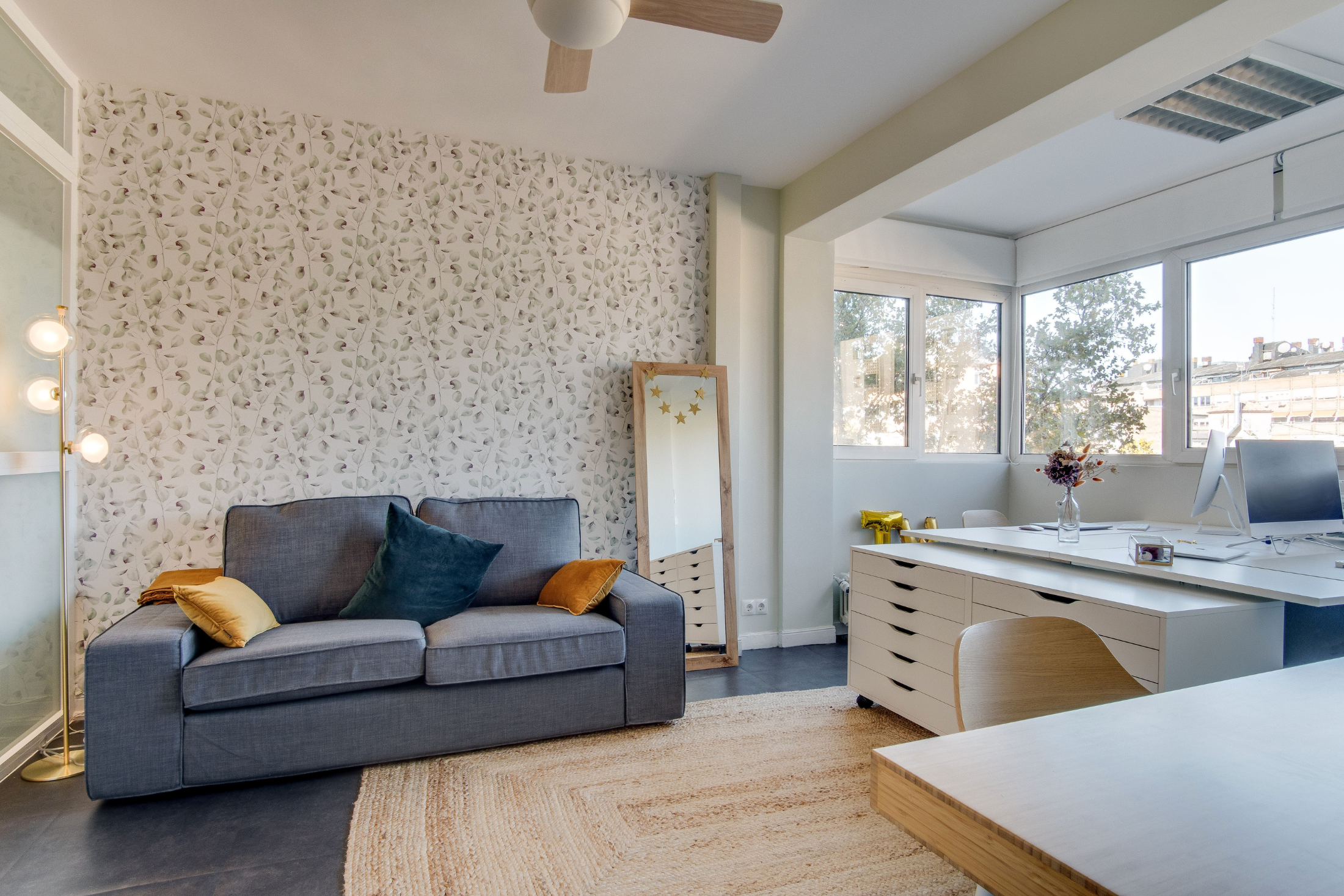
Staging Your Home for a Summer Sale: Tips from Matt Albright starts with one simple idea: summer buyers make fast decisions. They compare listings online, book weekend showings, and judge each home within minutes of walking through the door. A home that feels bright, cool, clean, and easy to picture living in has a better chance of earning stronger attention and better offers.
In the Philly area, summer adds extra opportunity. Longer daylight helps photos. Green lawns and gardens help curb appeal. Outdoor spaces matter more. Buyers also pay close attention to comfort, air conditioning, odors, basement moisture, and how well a home handles heat and humidity.
Matt Albright’s staging advice focuses on what buyers notice first and what helps them feel confident. The goal is not to overdecorate. The goal is to make the home feel cared for, spacious, and ready for the next owner.
Why summer staging matters in the Philly area
Summer is a busy real estate season across Philadelphia, Bucks County, and Montgomery County. Families want to move before school starts. Relocating buyers often shop during summer. Local buyers use longer days to tour after work. That activity creates opportunity, but it also creates comparison.
Your home is not being judged in isolation. Buyers compare it against every other listing in the same price range. If another home feels brighter, cooler, cleaner, and easier to move into, it may win attention even if your home has similar features.
Summer staging helps your home compete in three key places:
- Online photos, where buyers decide whether to book a showing
- The first few minutes of a tour, where buyers decide how the home feels
- Offer conversations, where buyers decide how much risk or value they see
Start with curb appeal before anything inside
Summer curb appeal sets the tone. Buyers often form an opinion before they reach the front door. A clean exterior tells them the home has been maintained. A messy exterior makes them look harder for problems inside.
Clean the entry first
The entry is the buyer’s first close look at the home. Make it simple and sharp.
- Wash the front door and clean the glass
- Polish or replace worn door hardware
- Sweep the porch, steps, and walkway
- Remove cobwebs, dead leaves, and old planters
- Add a clean doormat
Small details matter because buyers stand at the door while the agent opens the lockbox. They have time to notice chipped paint, dirty trim, loose railings, and clutter.
Keep landscaping neat, not complicated
Summer landscaping should look maintained, not high maintenance. Buyers often worry about upkeep. Simple, clean landscaping helps them enjoy the yard without feeling overwhelmed.
- Mow the lawn before weekend showings
- Edge walkways and driveway borders
- Trim shrubs away from windows and doors
- Remove weeds from beds and cracks
- Add fresh mulch where beds look faded
If flowers are used, keep them simple. Two matching planters near the entry often look better than several mismatched pots.
Show outdoor living without overloading the space
Decks, patios, and yards sell better when buyers understand how the space works. Stage outdoor areas like simple rooms.
- Set up a small seating area
- Clean outdoor cushions
- Remove broken furniture and extra toys
- Store tools, hoses, and lawn equipment out of sight
- Power wash surfaces if they look stained or slippery
Outdoor spaces should feel ready for a summer evening, not like a project.
Make lighting work harder for your listing
Lighting shapes how buyers read a home. A bright room feels larger and more inviting. A dark room feels smaller, even when the square footage is strong. Summer gives sellers more natural light, but staging still matters.
For lighting principles that support stronger staging, review home staging lighting tips that help rooms photograph and show better.
Use natural light carefully
Open blinds and curtains before showings. Clean the windows so light comes through clearly. Remove heavy window coverings where possible. If a room gets harsh direct sun, soften it with sheer curtains instead of shutting the room down.
Natural light helps photos, but glare can hurt a showing. Walk through the home at the same time showings are likely to happen and notice where the sun hits.
Match bulb color in each room
Mixed bulbs make a home feel uneven. One lamp looks yellow. Another light looks blue. The room feels off, even if buyers cannot explain why.
- Use the same bulb temperature within each room
- Replace dim or flickering bulbs
- Clean light fixtures and ceiling fan covers
- Turn on lamps before every showing
Warm, consistent lighting usually helps living areas and bedrooms feel comfortable. Bright, clean lighting helps kitchens, baths, laundry areas, basements, and closets.
Do not forget closets, hallways, and basements
Buyers open doors. A dark closet feels small. A dim hallway feels dated. A basement with weak lighting feels risky.
Add brighter bulbs where safe and appropriate. Clear the path to mechanical systems. If a basement is part of the home’s value, make sure buyers can see it clearly.
Keep the home cool and comfortable
Summer staging is not only visual. It is physical. Buyers notice temperature fast. A warm, sticky home can make buyers uncomfortable, and discomfort affects judgment.
Set the temperature before showings
Do not wait until the showing starts to cool the house. Set the home to a comfortable temperature early enough so each room feels balanced.
If the upstairs runs warmer than the downstairs, address that before listing. Clean vents, replace HVAC filters, and ask for service if airflow feels weak.
Watch humidity and basement odor
Philadelphia area summers can bring humidity. Buyers often notice musty smells in basements, crawl spaces, and laundry rooms. Do not cover odors with candles or heavy sprays. Find the source.
- Run a dehumidifier where appropriate
- Clean drains and utility sinks
- Remove damp cardboard from basements
- Keep storage off basement walls when possible
- Check for visible staining or moisture signs
A fresh, dry basement gives buyers more confidence. A musty basement raises questions about water intrusion and repairs.
Declutter for space, not perfection
Decluttering is one of the most important staging steps. It helps buyers see room size, storage, and flow. It also helps photos look cleaner.
Matt’s rule is simple: remove anything that makes the buyer think about your life instead of their future.
Start with surfaces
Clear kitchen counters, bathroom counters, dressers, nightstands, and coffee tables. Leave only a few useful or attractive items.
- One bowl or vase on a kitchen island
- One lamp and one small item on a side table
- Fresh hand towels in bathrooms
- No mail, chargers, medicine, or personal products in view
Edit furniture for better flow
Too much furniture makes rooms feel smaller. If a room feels tight, remove one piece. Open walk paths between doors, windows, and seating areas.
Buyers should not have to turn sideways to move through a room. They should feel the home works easily.
Make closets look useful
Storage sells. Full closets suggest the home lacks space. Remove seasonal items, extra shoes, duplicate coats, and storage bins that crowd the floor.
A good target is to keep about one third of each closet empty. Buyers do not need to see empty rooms. They need to see breathing room.
Depersonalize without making the home feel cold
Depersonalizing helps buyers picture themselves in the home. It does not mean stripping every room bare. It means removing items that pull attention away from the property.
- Remove family photos
- Store diplomas, trophies, and name items
- Pack strong collections or theme decor
- Reduce kids items in main living spaces
- Keep pet items out of photos and showing paths
Keep the home warm with texture, light, and clean design. A simple throw, fresh bedding, and a healthy plant can help a room feel lived in without feeling personal.
Stage the rooms buyers judge hardest
Not every room carries the same weight. Focus your energy where buyers make the biggest value decisions.
Kitchen
The kitchen should feel clean, bright, and easy to use.
- Clear almost everything from counters
- Clean appliances inside and outside
- Remove magnets, notes, and photos from the refrigerator
- Clean cabinet faces and hardware
- Organize pantry shelves if buyers may open them
If the kitchen is dated, cleanliness matters even more. Buyers forgive age more easily than grime.
Living room
The living room should show comfort and scale.
- Arrange seating for conversation, not only television viewing
- Remove bulky furniture that blocks light or flow
- Keep coffee tables simple
- Use lamps to brighten corners
Buyers should understand where furniture goes and how the room supports daily life.
Primary bedroom
The primary bedroom should feel calm, clean, and spacious.
- Use simple bedding
- Clear nightstands
- Remove laundry baskets and exercise equipment
- Open window treatments for natural light
A bedroom that feels like storage space can reduce buyer excitement.
Bathrooms
Bathrooms should feel spotless. Buyers judge bathroom condition closely because moisture and cleanliness matter.
- Clean grout and caulk
- Remove personal products
- Close toilet lids
- Use fresh towels
- Empty trash cans before every showing
Prepare for photos before preparing for showings
Listing photos drive traffic. A buyer who never clicks never tours. Stage for the camera first, then maintain that look for showings.
The National Association of Realtors shares practical photo prep guidance in picture perfect listing tips for stronger real estate photos.
Walk the home through the camera’s view
Stand in doorways and corners. Look at what the camera will see. Remove trash cans, cords, pet bowls, laundry, and extra furniture. Small distractions become more obvious in photos.
Plan photo timing around light
Summer light changes the home throughout the day. Some rooms photograph best in the morning. Others look better in the afternoon. A good photo plan uses the strongest light for the home’s best spaces.
Fix what buyers touch
Staging cannot hide poor function. Buyers test doors, drawers, faucets, switches, and locks. If those items fail, buyers start wondering what else has been neglected.
- Tighten loose handles and railings
- Fix sticky doors and cabinet drawers
- Repair dripping faucets and running toilets
- Replace cracked outlet covers
- Patch wall holes and touch up paint
For a broader showing prep process, use Matt’s home showing preparation guide for Philly area sellers.
Price and staging need to work together
Staging supports pricing, but it cannot rescue an inflated number. Buyers compare your staged home to other homes in the same range. If the price is too high, staging may bring traffic but still fail to produce offers.
Matt looks at price and presentation together. A well staged home should launch at a number supported by local comparable sales, current competition, and buyer demand. That is how sellers protect the first week of attention.
For pricing strategy before a summer listing, review Albright Real Estate’s local market research for Philadelphia, Bucks, and Montgomery County.
Keep showings simple and repeatable
Summer showings can stack quickly. Sellers need a reset routine that works every time.
Before each showing window
- Turn on lights
- Open blinds and curtains
- Set a comfortable temperature
- Clear counters
- Take out trash
- Put away pet items
- Check bathrooms
- Make beds
This routine keeps the home consistent. Consistency matters because every buyer deserves the same strong first impression.
Common summer staging mistakes
Using strong fragrance
Heavy candles and plug ins can make buyers suspicious. Clean air is better. Remove odor sources instead of hiding them.
Letting the house feel hot
A hot home feels uncomfortable. It also raises questions about HVAC performance. Keep the temperature comfortable before buyers arrive.
Overstaging outdoor spaces
Outdoor areas should feel usable, not crowded. Leave enough open space to show scale.
Skipping the garage
Garages often become storage zones before listing. Buyers still judge them. Organize, sweep, and clear as much floor space as possible.
Bottom line
Summer staging works best when it highlights what buyers already want: light, comfort, space, clean design, and a sense of care. Start outside with curb appeal. Improve lighting inside. Keep the home cool and dry. Declutter every room. Stage outdoor spaces for simple use. Fix the small items buyers touch. Pair presentation with local pricing strategy.
Matt Albright’s approach helps Philly area sellers use summer’s natural advantages without relying on luck. A staged home that feels bright, comfortable, and ready can attract stronger attention faster and support better offer conversations.