

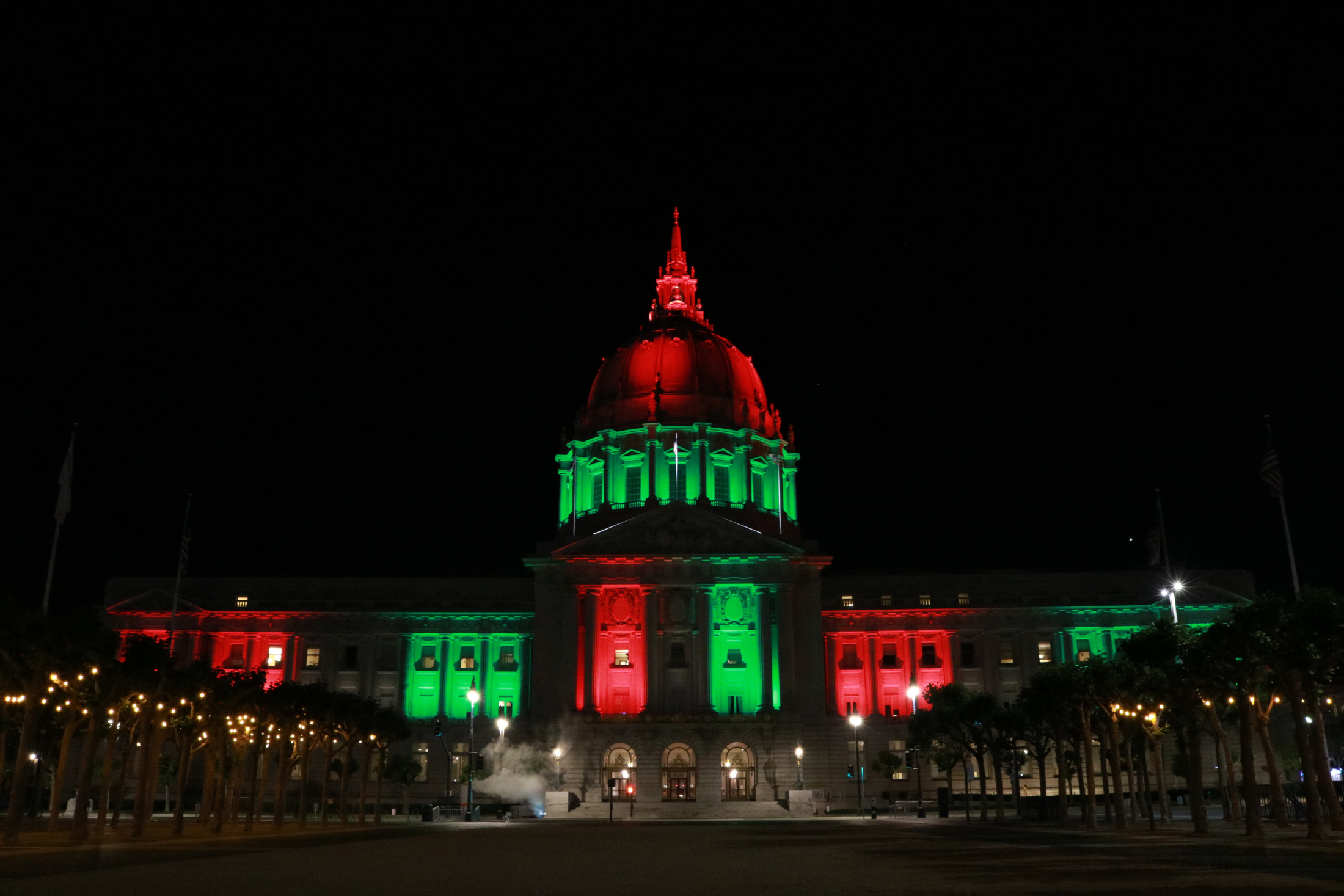
Juneteenth and the legacy of homeownership in our community invites us to pause on June 19, honor the meaning of freedom, and reflect on how homeownership shapes opportunity across generations. Juneteenth marks a historic promise of freedom. Homeownership connects that promise to daily life: stability, roots, equity, neighborhood pride, and a future that families can build on.
In Philadelphia, Juneteenth is more than a date on the calendar. It is a moment of remembrance, celebration, education, and community connection. It is also a good time to talk honestly about why owning a home has mattered for generations, why access has not always been equal, and what resources are available today for residents who want to put down roots in the city and surrounding communities.
Why Juneteenth matters
Juneteenth commemorates June 19, 1865, when enslaved people in Galveston, Texas learned they were free. The news came more than two years after the Emancipation Proclamation. That delay is one reason Juneteenth carries such emotional weight. It reminds us that freedom declared and freedom lived are not always the same thing.
For many families, freedom has always included the ability to choose where to live, raise children, build a business, gather safely, and pass something forward. Homeownership sits inside that larger story.
Homeownership as a path to stability
A home is more than a place to sleep. It often becomes the center of family routines, celebrations, care, and identity. For many households, homeownership creates stability in ways that renting may not always provide.
- Stable housing helps families stay connected to schools, neighbors, and community services.
- A fixed mortgage payment can create more predictable housing costs than rising rent.
- Home equity can become a financial resource over time.
- A home can become an asset passed to the next generation.
That last point matters. Generational wealth often begins with assets that hold or grow value. For many American families, the largest asset is the home. When a family owns property, builds equity, and protects that asset, they often create more choices for the next generation.
The legacy of barriers and why access matters
Any honest Juneteenth reflection on homeownership must acknowledge that access has not been equal. For decades, many Black families and other communities of color faced barriers in lending, deed restrictions, appraisal practices, redlining, and neighborhood investment. These barriers shaped who could buy, where they could buy, and how much wealth families could build through real estate.
That history still matters because housing patterns affect school access, transportation, health, safety, and long term family finances. A home purchase today is personal, but it also sits inside a larger civic story. When more families have fair access to housing guidance, lending education, and local market knowledge, more families have a chance to build lasting stability.
How homeownership builds generational wealth
Generational wealth grows when families can pass assets, knowledge, and opportunity forward. Homeownership can support that process in several ways.
Equity growth
Equity is the difference between what a home is worth and what is owed on it. Equity can grow as the loan balance drops and market value changes over time. Equity is not instant wealth, but it can become a powerful part of a family’s financial picture.
Housing cost control
Rent can rise as market conditions change. A fixed rate mortgage gives many owners a more predictable principal and interest payment. Taxes and insurance can still change, but the core loan payment remains more stable.
Future options
Equity can support future life goals. Some owners use equity later for repairs, education costs, business planning, or helping the next generation buy a home. Every situation is different, and borrowing against a home requires care, but equity creates options.
Community roots
Ownership often deepens local connection. Owners may become more invested in neighborhood schools, small businesses, civic groups, public spaces, and long term community health. That local commitment helps neighborhoods grow stronger.
Philadelphia today: a city of history, neighborhoods, and opportunity
Philadelphia carries deep history. It also carries the daily reality of neighborhood life. Each section of the city has its own housing stock, price patterns, commute options, school choices, and community rhythm.
For buyers exploring the city, a strong place to start is Philadelphia homes for sale and neighborhood market context. This local view helps buyers compare areas, home styles, and price ranges without relying only on broad headlines.
For residents who want access to parks, universities, cultural institutions, and West Philadelphia community life, University City homes and neighborhood search guidance offers another useful starting point. University City and nearby West Philadelphia neighborhoods place residents near major transit, education, health care, and cultural anchors.
Celebrating Juneteenth near your new home
Celebrating Juneteenth near your new home is one of the best ways to understand Philadelphia beyond a listing search. A neighborhood is not only bedrooms, square footage, and parking. It is also the places where people gather, remember, celebrate, and support one another.
In 2026, Philadelphia offers meaningful Juneteenth events that connect history, culture, music, art, food, family activities, and public space.
Juneteenth Jubilee at the African American Museum in Philadelphia
The Wawa Welcome America Juneteenth Jubilee takes place on June 19, 2026, at the African American Museum in Philadelphia. The event honors 50 years of the museum and includes music, performances, family activities, food trucks, shaded seating, community resources, and free museum admission on a first come basis. Details appear in Wawa Welcome America’s Juneteenth Jubilee event guide.
This event is especially meaningful because the African American Museum in Philadelphia is a key cultural institution. For residents, it offers more than one day of programming. It is part of an ongoing connection to Black history, art, education, and civic life.
Philadelphia Juneteenth Parade and Festival in West Philadelphia
The Philadelphia Juneteenth Parade and Festival takes place on Sunday, June 21, 2026. The parade begins near Highmark Mann on South Concourse Drive, moves down 52nd Street, and ends at Malcolm X Park at 52nd and Pine streets. The day includes a parade, vendor marketplace, music, dancing, art activities, wellness resources, and family friendly programming. You can find details through Visit Philly’s guide to the Philadelphia Juneteenth Parade and Festival.
For new residents, this event offers a strong look at West Philadelphia’s community energy. It is a celebration of freedom and heritage, but it also shows what makes neighborhood life meaningful: local businesses, artists, families, civic groups, and public gathering spaces.
What Juneteenth teaches us about home and belonging
Juneteenth reminds us that belonging is not abstract. It is lived through access, safety, opportunity, and community. Homeownership connects to each of those ideas.
A home gives families a place to gather for holidays and milestones. It gives children a stable address and a sense of place. It gives owners a stake in the future of their block and neighborhood. It also gives families a platform for building wealth in a way that can outlast one generation.
That does not mean homeownership is right for every person at every moment. Timing matters. Budget matters. Credit, savings, job stability, and lifestyle goals matter. The point is not to rush. The point is to understand homeownership as one powerful tool in a larger plan for stability and family progress.
Resources Philadelphia buyers should understand
Buyers in Philadelphia today have more tools than many people realize. The challenge is knowing where to begin and how to avoid confusing advice.
Mortgage preapproval
Preapproval helps buyers understand price range, monthly payment, and cash needed to close. A strong preapproval uses real documents, not guesses. Buyers should be ready with pay stubs, tax forms, bank statements, identification, and documentation for any gift funds.
Down payment and closing cost planning
Many buyers think the down payment is the only cash needed. Closing costs, prepaid taxes, insurance, inspections, and moving expenses also matter. A clear cash plan prevents stress later.
First time buyer education
Homebuyer education programs can help buyers understand lending, inspections, contracts, budgeting, and maintenance. Some assistance programs require education before approval, so early research helps.
Local market guidance
Philadelphia is a city of micro markets. Prices and buyer demand can change from one neighborhood to the next. Local knowledge helps buyers compare homes fairly and avoid overpaying based on emotion or incomplete information.
What sellers should remember during Juneteenth and summer market season
Juneteenth arrives during the summer real estate season. This is often a busy time for listings, tours, and moves. Sellers should remember that buyers are not only comparing prices. They are comparing how a home feels and how the neighborhood fits their life.
Presentation matters
Clean, bright, uncluttered homes earn better attention. Buyers notice whether a home feels cared for. Small repairs, strong photos, and simple staging help buyers see value faster.
Neighborhood story matters
Buyers want to understand what daily life looks like. They want to know nearby transit, parks, schools, shopping, cultural institutions, and community events. Juneteenth events help show the depth of Philadelphia life, especially for buyers who are new to the area.
Pricing still matters most
A meaningful neighborhood story does not replace market value. Sellers still need pricing based on recent comparable sales, condition, and current buyer demand.
How Albright Real Estate fits into the conversation
Albright Real Estate helps clients connect the financial side of real estate with the human side of home. The numbers matter: price, rate, closing costs, taxes, equity, and long term value. The neighborhood matters too: schools, commute, parks, culture, safety, and community rhythm.
For buyers, that means finding a home that fits both the budget and the life you want to build. For sellers, it means presenting the home with clarity, pricing it with local evidence, and understanding what today’s buyers value.
Juneteenth offers a reminder that housing is never only a transaction. It is tied to history, opportunity, and the future of families and communities.
Practical ways to honor Juneteenth through community connection
Honoring Juneteenth does not require a grand gesture. Small, intentional choices matter.
- Attend a local Juneteenth event and learn the history behind it.
- Support Black owned businesses and local vendors.
- Visit cultural institutions that preserve and share Black history.
- Talk with family about financial goals, housing goals, and long term planning.
- Learn about local housing resources and share them with someone who may need them.
These actions connect memory with movement. They honor the past while supporting the future.
Homeownership and legacy, a thoughtful takeaway
Juneteenth is a celebration of freedom. Homeownership is one way many families build stability within that freedom. It can support wealth building, but it also supports belonging, pride, and continuity.
In Philadelphia, that story feels especially strong. The city carries painful history and powerful resilience. It also offers neighborhoods where residents gather, celebrate, advocate, and build together.
As June 19 approaches, the conversation around homeownership should stay grounded in respect. The goal is not to reduce Juneteenth to real estate. The goal is to recognize that housing access, wealth building, and community belonging remain part of the broader promise of freedom.