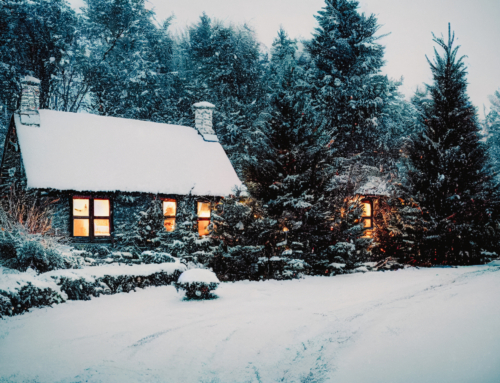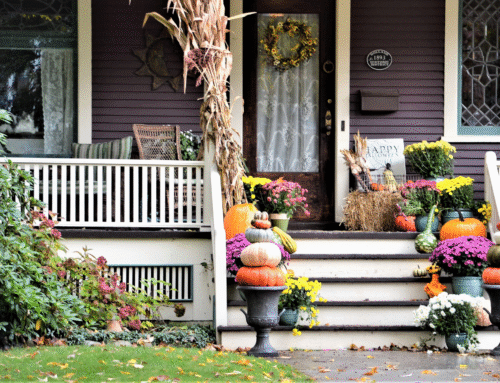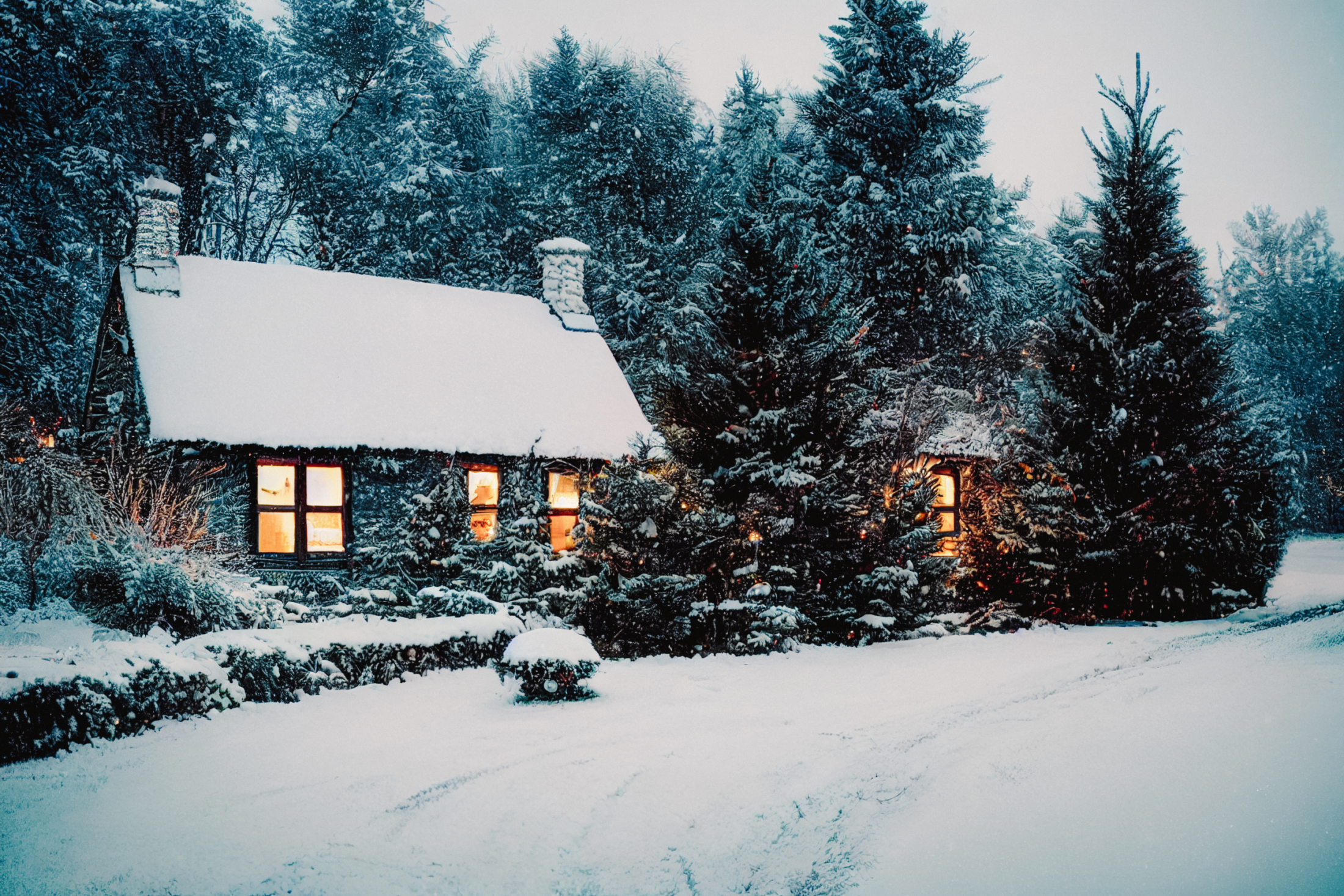


Winter curb appeal carries extra weight in the Philadelphia suburbs. Days feel shorter. Skies look grayer. Lawns look flatter. Buyers rely on first impressions even more because the outside scene offers fewer natural positives.
You do not need flowers or lush landscaping to create strong curb appeal in winter. You need a clean entryway, bright and consistent lighting, safe walkways, and a front approach that signals care. These changes shape how buyers feel before they touch the door handle.
This guide breaks winter curb appeal into four parts, entryways, lighting, walkways, and first impressions. Each section includes clear action steps you can knock out in a weekend.
Why first impressions hit harder in winter
First impressions set expectations. When the exterior looks neglected, buyers start hunting for problems inside. When the exterior looks maintained, buyers relax and focus on layout, light, and features.
Winter increases the stakes because buyers often arrive when it is darker outside. They rely on quick visual cues. They also notice safety and comfort signals, clear steps, non slip surfaces, and a well lit path.
If you want a simple reminder of why first impressions shape decisions, read why first impressions can influence judgment and trust over time. The same principle applies to home shopping. Buyers decide fast, then spend the rest of the tour confirming the feeling they formed at the curb.
Entryways that look clean, warm, and cared for
Your entryway carries the full load in winter. Most landscaping sits dormant. The front door area becomes the focal point in photos and in person.
Start with a five minute “front door scan”
Stand at the curb. Look at your home as a buyer.
- Do you see clutter on the porch or steps?
- Do you see peeling paint or worn trim?
- Do you see dirty glass on the storm door?
- Do you see muddy mats or salt crust?
- Do you see a clear, bright path to the door?
Write down the first three negatives you notice. Fix those first. They produce the biggest perception lift.
Clean the door zone like a small room
Do a focused cleaning pass.
- Wipe the front door, especially around the handle and lower panels.
- Clean the storm door glass inside and out.
- Brush cobwebs from corners, light fixtures, and door trim.
- Scrub the threshold and the door sill, salt and grit build up fast.
- Sweep porch corners and stair edges, debris collects there.
This work sounds basic, yet buyers read it as maintenance. Maintenance equals confidence.
Fix the “touch points” buyers notice instantly
Buyers touch the same items every time.
- Door handle and lock, tighten loose hardware, remove wobble.
- Doorbell, confirm it works, clean the button plate.
- Storm door closer, stop slamming and slow drift.
- Mailbox, remove rust streaks, clean the face, replace a broken flag.
If a door sticks in winter, address it. Sticking doors signal swelling wood, shifting frames, or poor weather sealing. A quick hinge adjustment or a light plane and repaint on the edge often solves it.
Add structure without adding clutter
Winter decor turns messy fast. Keep the look simple and tidy.
- Use one clean, heavy duty mat that lays flat.
- Add one small boot tray if buyers will step inside during wet weather.
- Limit porch items to two symmetrical pieces, planters or lanterns.
- Remove worn flags, old signs, and seasonal items that look tired.
Buyers want to imagine their own entryway. Your job is to show space and cleanliness, not a personal theme.
Lighting that wins during short days
Winter lighting is not only decoration. Lighting is safety, visibility, and mood. A dark entry makes buyers feel unsure. A bright entry makes buyers feel guided and welcome.
Use a three layer exterior lighting plan
A strong setup uses three layers.
- Porch light, the primary entry light
- Path lighting, guides buyers from sidewalk to steps
- House identification lighting, helps buyers find the home fast
You do not need complex fixtures to get this right. You need consistency and coverage.
Fix the porch light first
Porch lights fail in three common ways, dim, dirty, or mismatched.
- Replace burned out bulbs, then replace weak bulbs.
- Clean the fixture cover, haze steals brightness.
- Match bulb color, mixed tones look uneven in photos.
Pick one bulb color across the front exterior. Consistency matters more than style.
Add pathway visibility without glare
Buyers need to see edges. They also need to feel safe.
- Light the bottom of steps and the landing, shadows cause missteps.
- Use lights that aim down, not outward at eye level.
- Check for dark pockets near railings and turns.
- Trim branches that block light from hitting the walkway.
Motion lights help safety, yet constant triggering can feel harsh during showings. If you use motion lights, aim them to cover the path, not blast the front windows.
Make house numbers easy to see at dusk
Many buyers arrive right after work. They search in low light. If they struggle to find the home, stress rises before they even park.
- Use numbers that contrast with the background.
- Place numbers where headlights and porch lights reach them.
- Clean the numbers, dirt dulls contrast.
- Replace faded numbers, they date the whole exterior.
Strong visibility feels thoughtful. Thoughtful feels maintained.
Walkways and steps that feel safe and intentional
In winter, curb appeal includes safety. Buyers do not separate beauty from function. A slippery walkway becomes the main story.
Remove snow and ice the right way
Do not wait until right before a showing. Freeze and thaw cycles turn slush into ridges. Ridges create trip hazards.
- Shovel early, then shovel again after plows pass.
- Clear the full width of the walkway, not a narrow path.
- Scrape steps down to the surface, leave no thin ice film.
- Clear porch corners, ice hides in shade.
Then handle traction.
- Use a deicer suited to your surface, concrete, pavers, stone.
- Avoid over salting, salt crust looks dirty and damages surfaces.
- Brush away leftover salt once the path dries.
Fix handrails and step edges
Rails and step edges communicate safety. They also show age fast when paint fails.
- Tighten loose handrails, wobble creates doubt.
- Touch up peeling rail paint, especially on top surfaces.
- Check step corners for crumbling concrete.
- Repair loose pavers or uneven stones at the approach.
If you have brick or stone steps, look for mortar gaps. Small gaps grow through freeze cycles. A minor tuckpoint job beats a bigger repair later.
Keep the approach visually clear
Winter clutter piles up near the door because homeowners store items outside.
- Move trash bins out of sight.
- Store shovels, bags of salt, and hoses neatly in a bin or garage.
- Remove broken planters and empty pots that collect debris.
- Hide pet waste containers, buyers notice them fast.
The approach should feel open and easy. Buyers should not weave around objects.
First impressions in photos and in person
Winter listings live and die on photos. Photos set the showing count. Photos also shape buyer expectations before a tour. If the exterior looks dark, cluttered, or stained, many buyers never schedule a visit.
Remove winter “noise” from the frame
Noise includes anything that distracts from the home itself.
- Remove leftover holiday decor once the season passes.
- Hide cords and inflatable anchors.
- Move cars away from the front if driveway space allows.
- Remove yard tools and kids gear from visible areas.
Clean lines photograph better. Clean lines also feel calmer when buyers arrive.
Fix salt stains and winter grime
Salt makes surfaces look older than they are.
- Rinse and scrub driveway edges where plows throw slush.
- Wash front steps and porch floors on a mild day.
- Clean siding near downspouts where water splashes.
- Wipe garage doors, road spray collects there.
A clean driveway and clean steps create a strong “care” signal with little cost.
Make the front door the hero
In winter, buyers cannot rely on landscaping. They rely on the door zone. If your front door paint looks faded or chipped, consider a refresh on a mild day. If you do not repaint, focus on cleaning, hardware polish, and neat trim lines.
For a buyer focused angle on first impressions, read real estate expert tips on making a strong first impression when selling a house. Many of the principles tie back to curb appeal, clean entry cues, strong lighting, and a clear approach.
A quick curb appeal audit you can run in 20 minutes
Winter curb appeal quick audit
- Entryway: door cleaned, glass cleaned, mat flat, porch swept, clutter removed
- Lighting: porch light bright, bulbs match color, fixture cleaned, path visible
- Walkways: full width cleared, step edges visible, rail tight, salt residue brushed away
- Details: house numbers readable, mailbox clean, doorbell works, trim free of peeling paint
- Photos: cords hidden, bins hidden, cars moved, approach looks open
Run this audit at dusk. Dusk shows the real experience a buyer gets in winter.
Local context for the Philadelphia suburbs
Bucks County and Montgomery County homes face the same winter pattern, freeze and thaw cycles, salt on concrete, wind that blows leaves into corners, and early darkness during weekdays. These conditions create predictable curb appeal problems.
- Concrete steps show salt stains and chipped corners.
- Walkways show icy shade patches near evergreens and fences.
- Porches collect grit and leaf litter in corners.
- Front door hardware dulls from moisture and hand oils.
If you want to see how listing photos handle winter conditions in your area, scan active inventory and note what reads clean and what reads cluttered. Start with Bucks County homes for sale and recent local listing patterns, then compare against Montgomery County homes for sale and recent local listing patterns. Pay attention to lighting, cleared walkways, and how front doors photograph.
Common mistakes that lower first impressions
These mistakes show up often. They are easy to fix once you spot them.
- Dim porch lights, buyers feel unsure approaching the door.
- Mixed bulb colors, the exterior looks patchy in photos.
- Narrow shoveled paths, buyers worry about slipping.
- Salt piles and crust, the home looks dirty and harsh.
- Over decorated porches, buyers see clutter, not charm.
- Unseen clutter near the door, spare pots, broken planters, old doormats.
- Unreadable house numbers, buyers arrive frustrated.
Fixing these issues often changes the entire feel of the approach.
Final takeaways for homeowners
- Make the entryway clean and simple, buyers notice the door zone first.
- Upgrade lighting for short days, aim for bright, consistent, and glare free coverage.
- Clear walkways fully and handle traction, safety is curb appeal in winter.
- Remove visual noise, winter photos need clean lines to stand out.
- Run a dusk audit, dusk shows the real buyer experience.