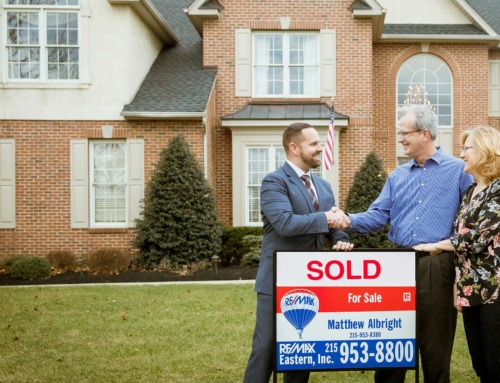


Buying your first home in 2026 starts with a simple aim. Align payment comfort, loan approval, and property fit well before the search turns urgent. A calm plan removes noise. You set numbers with your lender, prepare documents, track listings in your target corridors, and move when a match appears. This guide builds that plan with a Montgomery County focus and practical moves you can start today.
Start with monthly comfort. Write down a payment range that works across normal months and hard months. Include principal, interest, taxes, insurance, and a modest reserve for repairs. Treat the top of the range as the ceiling. Use a lender worksheet to translate that range into a price window under several rate scenarios. Rate swings change buying power faster than headline price shifts. A small change in rate often moves the needle more than five or ten thousand dollars in list price. Keep your target tight to reduce stress once showings begin.
Move to preapproval. A real letter signals strength to sellers and speeds everything else. Gather pay stubs, W-2s or 1099s, two months of bank statements, and IDs. If you receive a bonus or variable income, pull documentation that proves history, not only a single high month. Ask the lender to underwrite income and assets before you tour. File structure matters. A full file leads to cleaner approvals and fewer last minute requests during escrow.
Clarify down payment paths early. Conventional loans often accept three percent down for first time buyers. FHA loans accept three and a half percent down with flexible credit thresholds. VA loans offer zero down for eligible service members and veterans. USDA loans offer zero down in eligible rural zones with income limits. Each path trades down payment size, mortgage insurance rules, and property standards in a different way. The right fit depends on your income profile, reserves, and target area. If you expect a gift from family, prepare a simple letter and seasoned funds before you apply.
Closing costs deserve equal attention. Expect three to five percent of purchase price in lender, title, and transfer costs, depending on loan type and township rules. Build room for prepaids, escrow setups, and one year of homeowner insurance. If you plan to ask for a seller credit, plan the request around likely appraisals and market strength on the block. Some sellers prefer a clean price and settlement timing over a larger credit. Others accept a credit when days on market climb or when updates are due.
Savings habits decide pace more than any single tactic. Move a fixed amount from checking to savings on payday. Build a separate account for down payment and closing funds so daily spending stays honest. Pay down revolving balances that report to bureaus, starting with the highest utilization lines. Keep older tradelines open to preserve history. Avoid new debt in the six months before preapproval. Large purchases raise questions and reduce flexibility at the worst moment.
External market coverage helps set expectations for 2026 buyers. A recent piece on first half strategies for buyers lays out common hurdles and timing pressures buyers face in tighter inventory cycles. Another planning guide on preparing for 2026 homeownership walks through savings and credit routines that make approvals smoother. Treat both as broad context. Then build your own plan around neighborhoods, commute needs, and the payment window you set at the start.
Choose your search map with intention. Montgomery County offers a range of corridors with strong value. Rail access draws steady demand in towns near SEPTA lines. School clusters influence price and pace in Abington, Upper Dublin, Lower Merion, and Wissahickon. Farther out, buyers trade shorter train rides for larger lots and newer systems. Start with a shortlist that fits your daily life. Commute, parks, and grocery runs matter as much as bedrooms and baths. Explore live inventory on Homes for Sale in Montgomery County, then pin three or four pockets that match your range.
Tour strategy works best when simple. See the right homes fast, not every home. Ask your agent to flag matches that fit your lane on day one. Tour during the first showing block when possible. Bring quiet focus to layout, light, storage, and mechanicals. Skip homes far outside the map or the budget, even if photos look perfect. Discipline shortens the path to keys.
Understand tradeoffs by property type. Condos reduce exterior maintenance and snow work, but HOA dues raise the monthly line and rules limit some changes. Townhomes offer private entries and small yards with shared walls and lower exterior workload, with dues that fund common areas or private roads. Single family homes deliver full control and more storage, with higher responsibility for roofs, systems, and grounds. None of these paths is inherently better. The best path supports your budget and routine.
Set inspection expectations early. Aim for safety, structure, and function. Roof age, heat performance, electrical safety, plumbing leaks, and water control deserve top billing. Cosmetic items distract from serious risk. Request seller repairs or credits where safety or function falter. Leave small items for your own punch list. This approach keeps deals alive and protects value at the same time.
Prepare for appraisal. Appraisers confirm value for the lender using closed comps and adjustments for condition and features. If the appraisal lands below contract price, your options include price changes, seller credits, buyer funds to cover gaps, or a mix. Expect a measured conversation with your agent about comps and strategy. Emotional swings help no one. Facts and options resolve most appraisal issues when the gap is modest.
Lock strategy matters during escrow. Rate locks hold pricing for a defined period. Float down options sometimes reduce the rate if markets improve before close. Extension fees apply when closings slip beyond a lock window. Align your lock with title timing and inspection milestones. Long locks cost more upfront. Short locks require a clear path to settlement. Pick structure based on your tolerance for risk and your file strength.
Insurance steps in before close. Shop policies once you enter escrow. Match coverage to roof age, wiring updates, and location specifics. Ask agents for quotes tied to the exact address and improvements disclosed by the seller. Premium differences influence monthly comfort, especially near the edge of your payment window. Provide your lender with a binder early so closing prep stays on schedule.
Cash at close needs discipline. Wire cutoffs, daily transfer limits, and anti fraud steps exist for good reasons. Confirm routing and account numbers by phone with your title company before sending funds. Complete one test transfer of a small amount if time allows, then send the balance. Avoid last minute account changes. Keep funds in liquid form during the week before settlement.
Do not ignore post close cash flow. Set aside a small reserve for repairs and furniture. Leave room for seasonal bills that hit right after you move. Winter brings heat costs, snow tools, and small fixes hidden during walk throughs. A one month reserve for home items reduces stress after keys in hand.
Build your team before showings start. You need a lender with clear communication, a real estate advisor who understands your map and payment window, and at least one inspector with the right tools for roof, heat, and moisture checks. Put names and numbers in one shared note. When the right home appears, you operate from a list, not from a scramble.
Work the calendar with intention. The first two weeks after New Year’s Day often deliver fresh inventory. Tax refunds change savings balances in late winter. School decisions influence spring timelines. Your plan should not drift with the season. List the next three steps and dates now. Pull reports, finish preapproval, and schedule a standing review of new listings every three days through your agent.
Use a clear offer style. Present a clean letter, strong earnest money within your comfort, and a settlement timeline that respects seller needs and your lock. Shape inspection terms around safety and function. Consider a short reply window to keep momentum. If multiple offers appear, discuss price and terms that reflect true value for you, not pressure from a headline. Buyers who stay inside their lane finish with more confidence and fewer regrets.
Think ahead on homestead filings and tax setups after closing. File homestead paperwork where available. Set up escrow or reminders for quarterly tax payments if your loan structure requires them. Add flood coverage if the property sits near mapped zones even when lenders do not require it. Small admin steps deliver peace of mind for the first year.
Technology helps without replacing judgment. Use alerts for new listings in your saved pockets. Save homes for quick reference during calls with your agent. Take simple notes during tours. Flag three items per home that matter most. Light, layout, storage. Roof, heat, water. A brief note beats a long recap written late at night.
Stay flexible on finishes. Paint, hardware, and lighting transform rooms at far lower cost than buyers assume. Floors refinish during a short window before move-in. Keep bids for small updates on file during escrow so you know exact costs. Many first time buyers succeed by buying a strong structure with average finishes, then updating over the first year without pressure.
When you feel ready to start, focus your search in one place and build momentum. Explore live options on Homes for Sale in Montgomery County and save a shortlist that fits your payment window and map. When you want a direct plan tied to your numbers, your corridors, and a realistic 2026 timeline, reach out through Contact. You will leave with a sequence that respects your budget, your calendar, and your comfort, and you will walk into 2026 with a clear path from preapproval to keys.