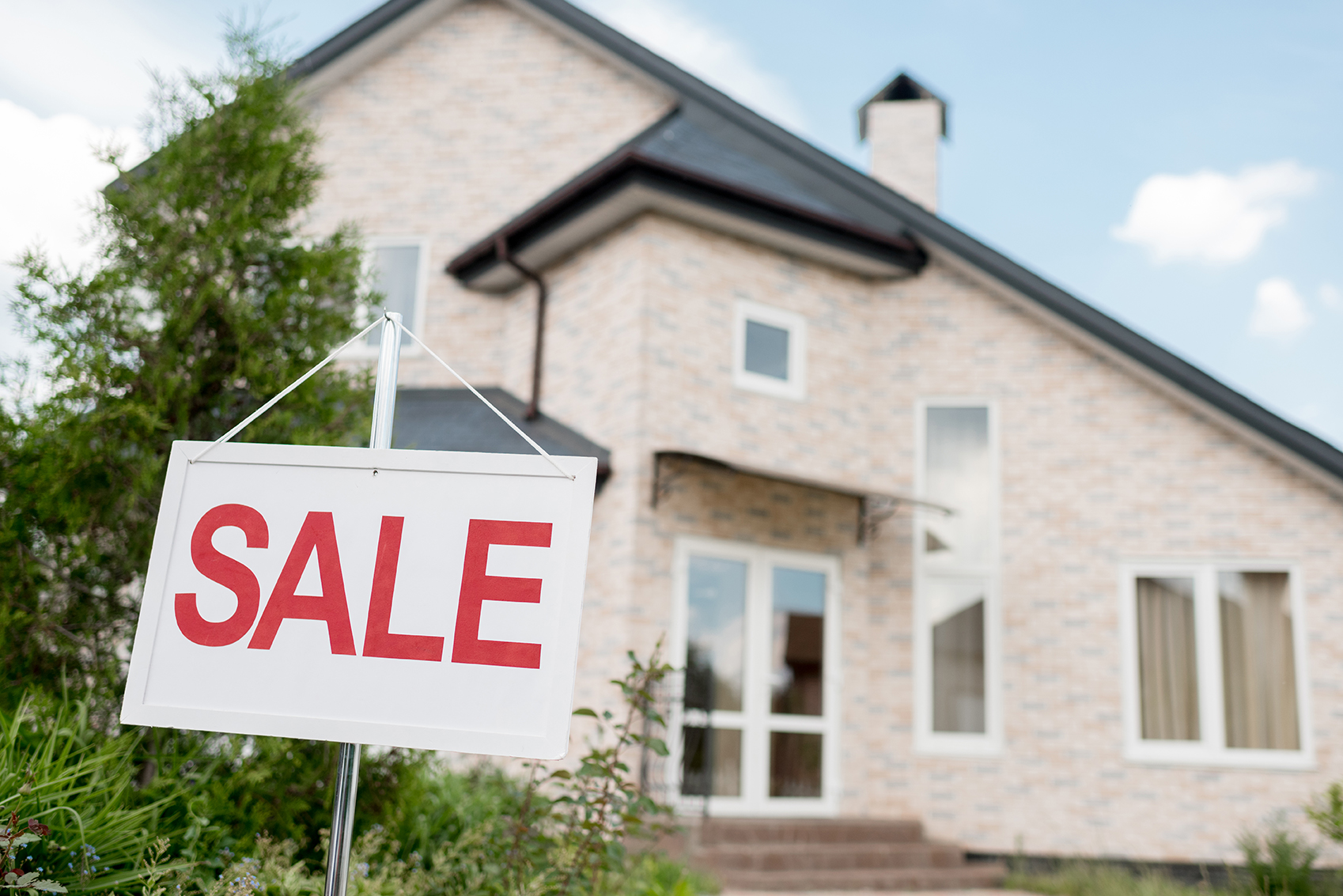


Waiting to buy a home often feels like the safest choice. You keep your options open. You watch rates. You hope prices ease. The problem: time has a price tag. Your cost shows up in higher purchase prices, higher monthly payments, more rent paid, and less equity built.
Many buyers focus on one lever, the interest rate. Real life affordability depends on price, rate, competition, and your timing. When you wait, those variables keep moving.
What waiting often costs you
1) Higher purchase price
Home values move in cycles, yet long term trends often push up over time. Even modest price growth changes your down payment target, your loan amount, and your monthly payment. Sources that outline this tradeoff often point to appreciation as a core driver of the waiting cost. The cost of waiting to buy a home explains how price increases raise both down payment needs and future payments.
2) Mortgage rate risk
Rates move fast. A small shift changes buying power right away. If rates rise while prices rise, you face a double hit. If rates drop, more buyers often re-enter the market, competition tends to rise, and prices often hold firm in strong neighborhoods. Track the payment impact, not only the headline rate. Use local context and monthly payment math as your guardrail. If you want a deeper breakdown tied to your region, read how mortgage rates impact your buying power.
3) Rent carry while you wait
If you rent during your wait, rent becomes part of the cost. Rent pays for housing, so rent serves a purpose. Rent also does not build ownership equity in the home you want. Articles focused on the waiting tradeoff often highlight rent payments as a direct, repeating cost. Costs of waiting to buy a new home points to ongoing rent as a major factor in the delay decision.
4) Missed equity and delayed principal paydown
Homeownership builds equity in two common ways. Market value changes over time. Your loan balance drops as you pay principal. Waiting delays both. Even in a flat year for prices, principal paydown still moves your balance in the right direction.
5) Lost access to strong inventory
Well priced homes in desirable pockets attract attention in every season. When you wait, you risk losing the best fit homes for your budget range. Inventory shifts. Competition shifts. Your leverage shifts with them. If you plan to buy soon, start your prep early so you are ready when the right listing shows up.
What are the first steps to buying a house?
Start with clarity, then move in order. This sequence reduces stress and cuts wasted tours.
Step 1: Set your payment comfort range
- List your fixed monthly obligations.
- Estimate a housing payment range you feel good carrying month after month.
- Include taxes, insurance, and utilities in your thinking.
Step 2: Review your credit and cash
- Pull your credit reports and correct errors.
- Identify your down payment funds and closing cost funds.
- Keep a reserve fund for early repairs and moving expenses.
Step 3: Get pre approved before you tour seriously
- Pre approval shows your real budget.
- Pre approval helps you move fast when a home fits.
- Pre approval strengthens your offer position in multiple offer situations.
Step 4: Define your non negotiables
- Location and commute limits
- Minimum bedrooms and bathrooms
- Parking, yard, or outdoor space needs
- Home condition, turnkey versus projects
Step 5: Build your showing plan and offer rules
- Tour homes with a consistent checklist.
- Compare homes against your must have list, not against a perfect fantasy home.
- Set your walk away line before emotions rise.
If you want practical timing guidance before spring competition ramps up, read what first time buyers should do before spring competition heats up.
How to get pre approved for a home loan
Pre approval means a lender reviews your income, assets, debts, and credit, then issues a letter based on verified information. You get a clearer target price range and fewer surprises later.
1) Gather your core documents
- Recent pay stubs
- W2s or 1099s, often two years
- Recent bank statements
- Investment account statements if relevant
- Photo ID
- Proof of additional income if you plan to use it
2) Know your debt picture
- List monthly payments for student loans, car loans, credit cards, and personal loans.
- Avoid new debt during pre approval and underwriting.
- Keep credit card balances stable where possible.
3) Choose a lender and request a full review
- Ask what loan types fit your down payment and credit profile.
- Ask what funds the lender requires for closing and reserves.
- Ask how rate locks work and what fees connect to the lock.
4) Read your pre approval letter details
- Confirm the approved loan type and maximum purchase price.
- Confirm the down payment assumption.
- Confirm whether the letter reflects a fully underwritten approval or a basic pre approval.
5) Keep your file stable until closing
- Avoid new credit lines.
- Avoid job changes without talking to your lender first.
- Document large deposits before you make them.
Bottom line
Waiting has a cost, even when you do not see a bill. Prices can rise. Rates can move against you. Rent can keep climbing. Equity building starts only after you buy. The best defense is preparation. Get pre approved. Define your budget rules. Move in a clear sequence, so you act fast when the right home appears.