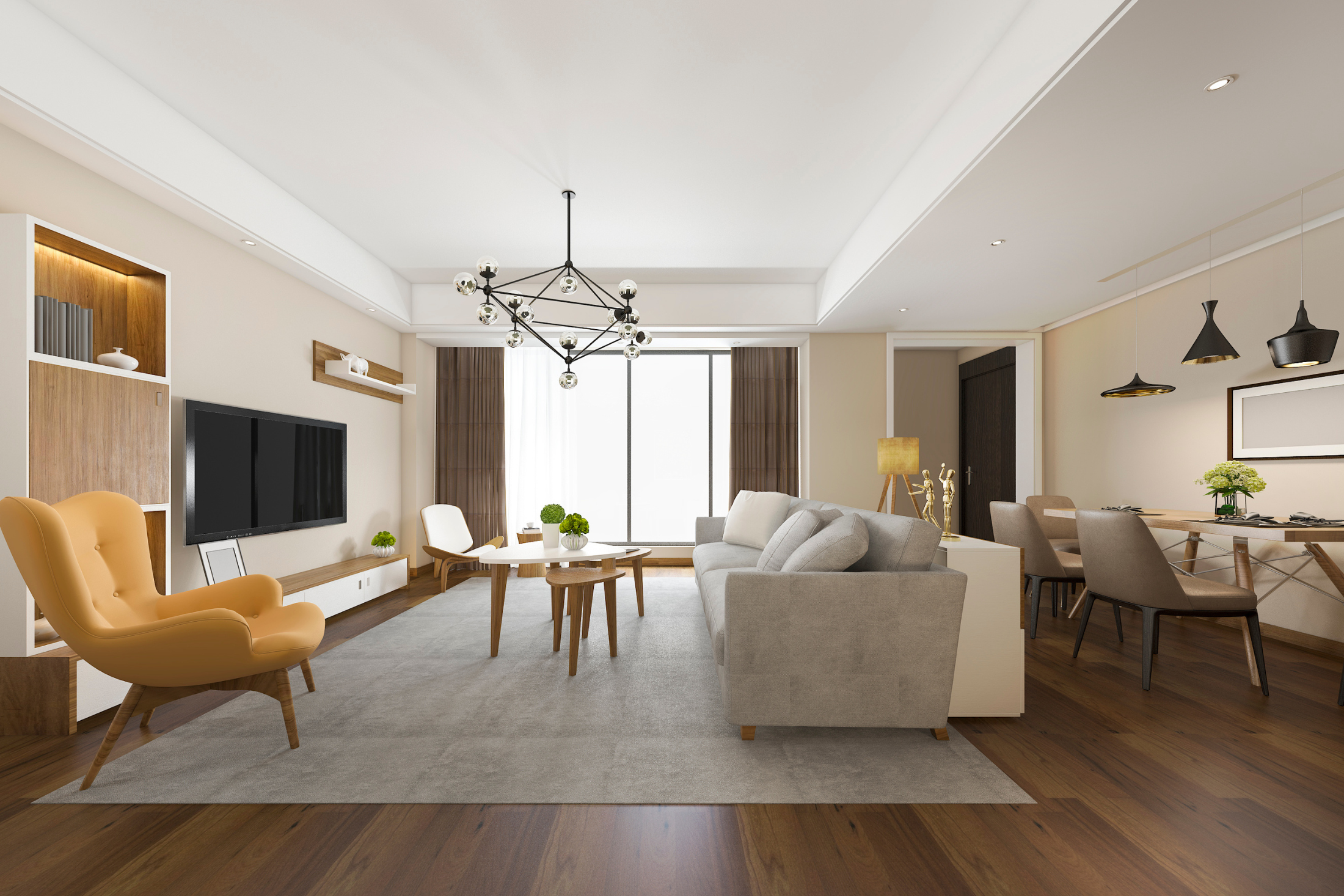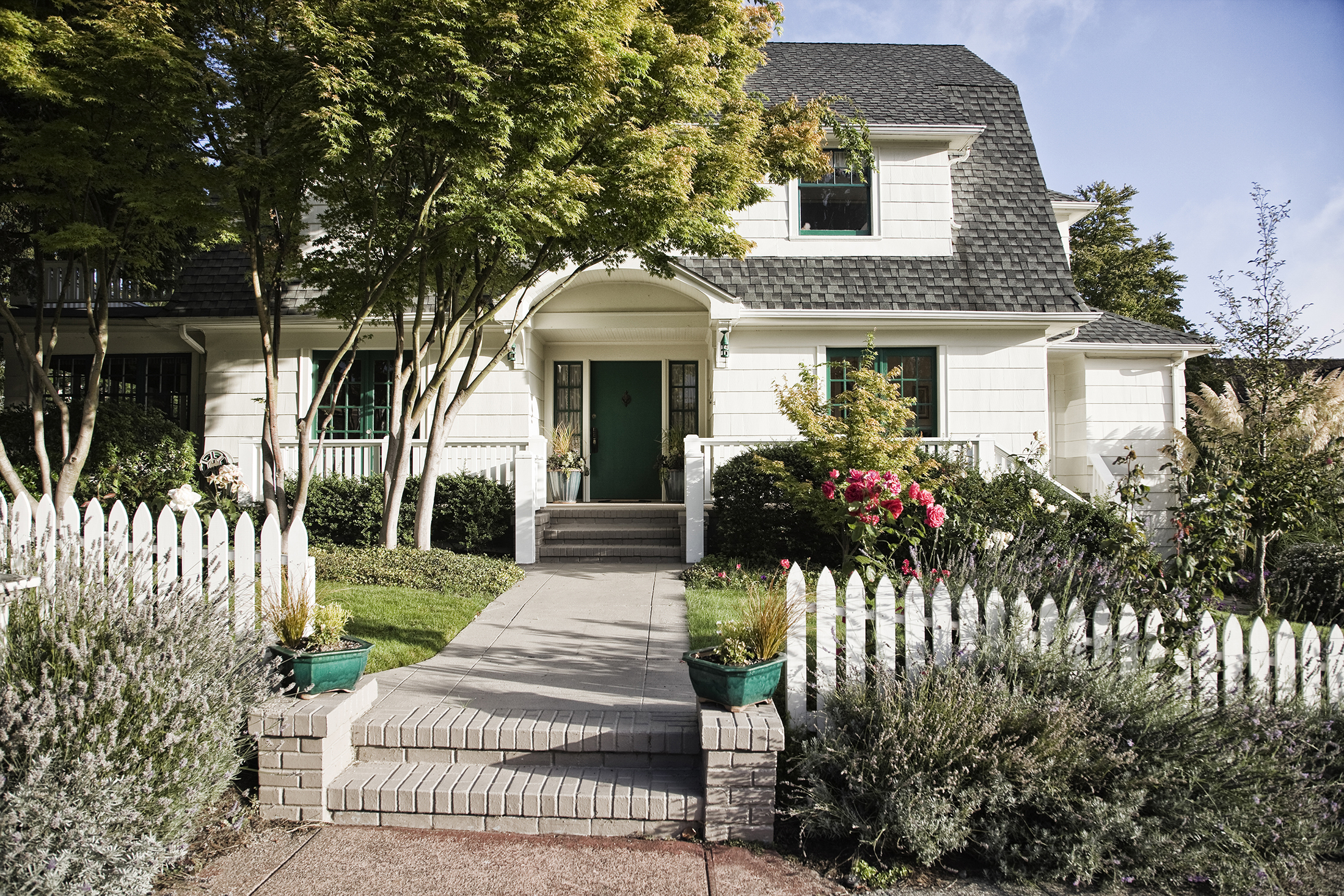

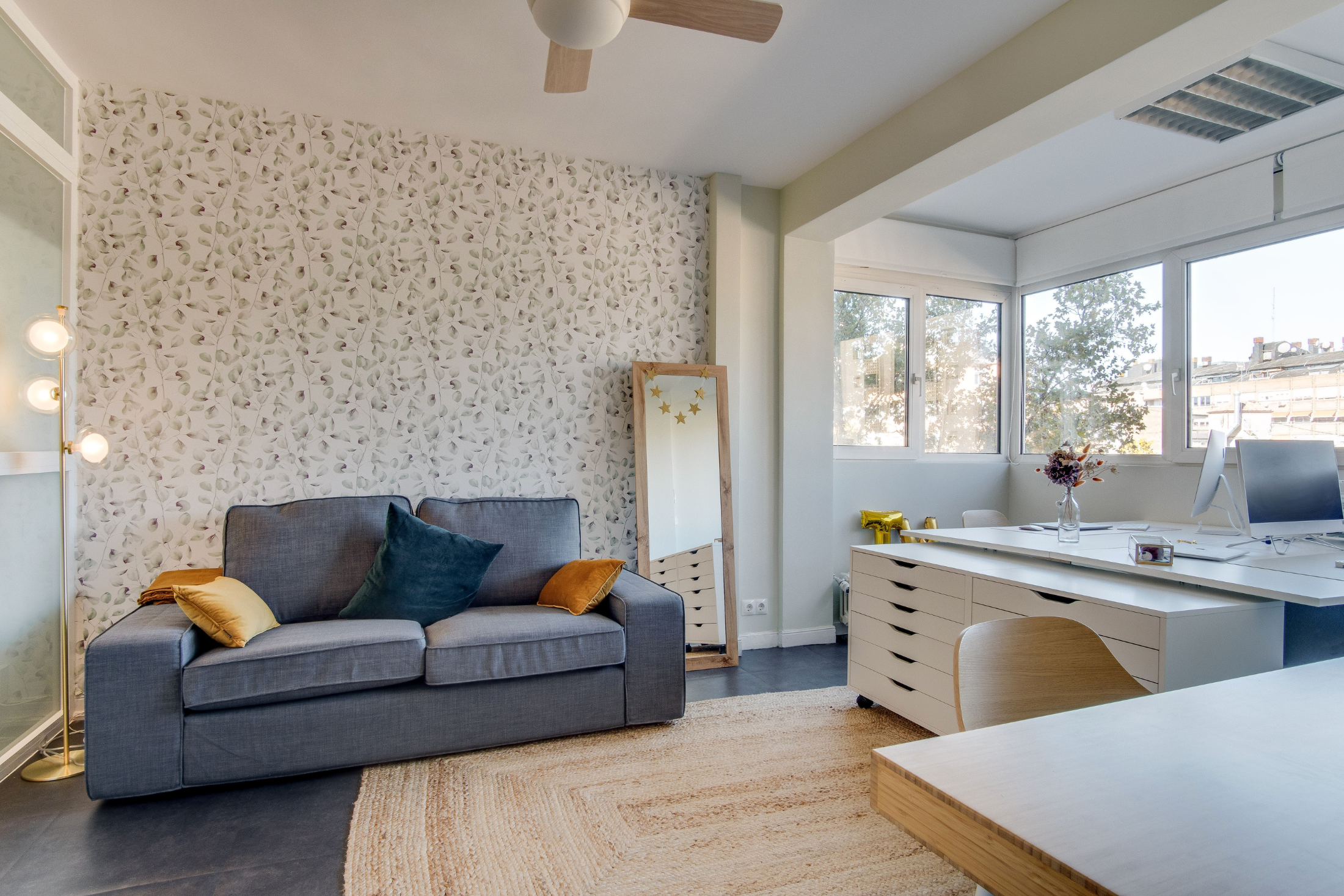
Winter buyers rely on screens. Cold weather and early sunsets reduce open house traffic and compress weekday showing windows. Sellers who provide accurate media earn stronger engagement and receive better offers because qualified buyers can decide fast. The combination that works best includes a measured floor plan, clear stills, and a smooth walkthrough that loads quickly on phones. When that package looks precise, buyers feel confident enough to write.
Two neutral resources explain the value of strong virtual tours and the preparation that sellers should expect. A practical overview on what virtual tours accomplish lays out why 360 views and video walkarounds help buyers build a mental map before visiting. A consumer guide on hosting virtual tours that feel close to the real thing covers pacing, camera position, and clarity. Together they make the case for professional media and disciplined prep.
Start with the floor plan. A measured plan with room names and approximate dimensions answers key questions before a buyer steps inside. Where does the powder room sit relative to the kitchen. How wide is the family room. Does the primary suite include a walk in closet. Clear labeling reveals flow and removes guesswork. Buyers with strollers, instruments, or home offices can see if the layout matches their lives. A plan also reduces confusion during appraisal and inspection because it gives everyone the same baseline for room count and access points.
A floor plan is only as useful as its accuracy. Your photographer or scanning provider should measure first, then draft. Scans that integrate with 3D tours provide both a visual and a numeric view in one session. If your home includes areas with knee walls, split levels, or large dormers, ask for callouts that show ceiling height changes and step transitions. Buyers appreciate honesty about slopes and headroom. That honesty turns into fewer surprises during showings.
The walkthrough should feel natural. A tour that matches how a person would enter and move through the home prevents disorientation. Start at the curb or the front door, then progress from foyer to living, dining, and kitchen. Show hallways and transitions. Pause briefly in rooms with views so buyers can process what matters. Avoid spinning the camera. The aim is orientation, not tricks. Add a short title in the tour’s interface that names each space in plain language.
Stills and the walkthrough should agree. Lead with the best three angles in the photo gallery. Use those same rooms early in the tour. Keep color temperature consistent so the space feels the same wherever a buyer looks. Warm white around 2700K works for winter interiors and helps wood tones read clean. Replace cool bulbs before the shoot and dust shades so output is even. Open blinds for daylight, then balance with lamps so corners do not fall dark. The more consistent the lighting, the more believable the media.
Preparation matters more in winter because the camera sees everything. Clear counters and floors. Remove heavy textiles that drink light. Hide cords. Remove magnets and paper from the refrigerator door. Tighten bedding and smooth drapes. Replace any bulb that casts a different color. Clean windows so glare stays low and views look crisp. If snow sits outside, shovel to full width and remove any ice that sends white glare into frames. Wet walks that reflect light can look dramatic on camera. They also look slippery if not handled. Treat the surface and retake the exterior lead shot if needed.
Narration belongs in property descriptions, not in the tour. The media should show, not tell. Use the listing copy to point out upgrades, mechanical ages, irrigation, or smart home features. Use the plan and the walkthrough to deliver layout and feel. Buyers who understand both are more likely to book a showing for the right reasons. They are also more likely to write an offer that matches the home’s strengths.
Pacing of uploads influences engagement. Post the full media set on day one. Buyers save listings with complete information at higher rates. If you must stage in two parts, replace the gallery image order as soon as the walkthrough publishes and add the floor plan to the documents tab. Update the first line of the description to announce the upload so agents and saved-search users notice the change. Winter buyers watch closely. They appreciate sellers who share complete facts without delay.
Accessibility matters for every buyer. Tours should open quickly on a phone and work without a special app. Floor plans should download as a standard PDF. Labels should use readable fonts and simple room names. If your home requires stairs for entry, show the approach in a still and in the tour. If the primary suite sits on the first floor, make that clear in the captions. When buyers can answer basic access questions in a minute, they build trust and move faster.
Accuracy beats gloss. Avoid ultra wide angles that distort corners. Avoid filters that tint paint colors. Use a level for every shot so vertical lines stay straight. The floor plan should match visible reality. If a closet is small, label it as a closet and show the door swing. If a bedroom is currently staged as an office, include a still that shows the closet so the room counts correctly. Appraisers and inspectors see the same details later. Honest media removes friction.
Sellers sometimes ask if a virtual tour reduces in person traffic. It reduces unqualified traffic. Winter buyers with a clear map of the home write faster after a single showing. They also write with confidence because they can revisit the tour after the visit. That behavior produces cleaner offers and fewer last minute withdrawals. It also reduces disruption for families and pets because you schedule fewer unnecessary blocks.
Privacy and security deserve attention. Hide visible mail, diplomas, and family photos before the shoot. Ask your provider to blur license plates and house numbers in exterior frames. If your security panel or safe appears in any shot, request removal or blurring. Do the same for smart speakers and cameras. You do not need to advertise code locations or sensitive equipment online.
There is a simple way to measure whether your media set works. Track click through rates, average time on the listing page, and showing requests in the first week. Strong media holds attention and produces scheduled visits quickly. If metrics lag, reorder the gallery, re capture any weak frames, and raise the floor plan download to the top of the document list. Small adjustments often change results within a day.
Buyers should hold media to the same standard they hold the home. Ask for floor plans when they are missing. Study the tour and mark any questions in a short list before the showing. During the visit, verify scale with one or two measurements. Confirm ceiling heights, doorway widths, and storage depths that matter to your life. The media will be close. Your own tape measure settles the rest.
Sellers who want a Winter launch should lock dates now. Photographers book quickly in January. Give them a week’s notice and a clear prep list. Schedule the shoot near midday for balanced daylight. If you want twilight exteriors, request a second short session at dusk. Upload the full set together and keep all files in one shared folder so agents and the closing team can find floor plans and scans later.
The highest return on media spend often comes from the combination of a measured plan and a clean walkthrough. Fancy transitions add little. Accurate labels add a lot. Put your budget into clarity and consistency rather than animation. Buyers respect sellers who give them the facts in a usable format.
You do not have to manage this alone. If you want a team that sets media standards, schedules vendors, and edits the final set before launch, meet us on About Albright Real Estate. If you want to see how complete media looks in live listings and how buyers respond, start with Homes for Sale in Philadelphia and study which homes earn saves and showing requests first. Winter rewards precision. A strong virtual tour and a measured floor plan give buyers that precision on day one, which shortens time to offer and improves the quality of your result.